India “weaponizing water” by suspending decades-old Indus Waters Treaty: Pakistan
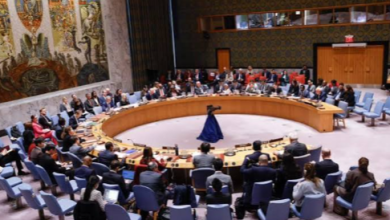
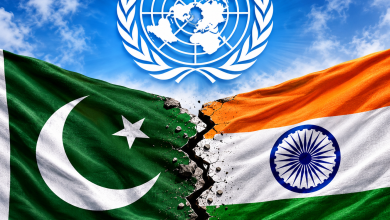
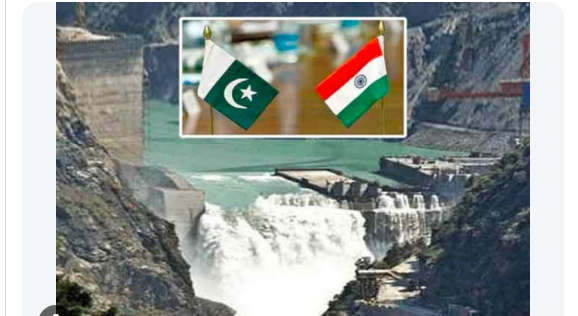 United Nations: A senior Pakistani diplomat has said that India is “weaponizing water” by suspending the decades-old Indus Waters Treaty and threatening downstream supplies, calling the move an “unlawful action” during an informal UN Security Council meeting on natural resources and conflict.
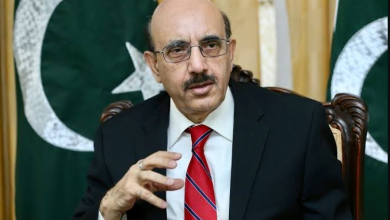
Ambassador Usman Jadoon, deputy permanent representative of Pakistan to the UN, warning the 15-member Council meeting convened by Liberia under Arria-Formula format named after a former Venezuelan Ambassador to the UN, Diego Arriva, said: “Such actions endanger the livelihoods and well-being of more than 240 million people and risks escalation between the two neighbouring States.”
The purpose of the debate was to examine how natural resource cooperation can curb illicit conflict financing, protect livelihoods, and advance peace amid rising global competition over critical minerals.
Arria-Formula meetings are informal that enable Security Council members to have a frank and private exchange of views on relevant subjects.


Meeting brings together Council members, other UN member States
The meeting brought together Council members and other UN member States, alongside experts and practitioners from international organizations, academia, the private sector, and civil society.
In his remarks, the Pakistani envoy emphasized that cooperation among neighbouring states and the peaceful settlement of resource-related disputes were essential to preventing conflict, something reinforced by Security Council resolution 2788 on utilizing the peaceful means of dispute settlement.
“These principles are particularly relevant to the management of shared transboundary resources, including water, where respect for international law and mutually agreed arrangements is indispensable to regional peace and stability,” Ambassador Jadoon said.
Rejecting India’s “unlawful action” with regard to the suspension of the water treaty with Pakistan, he pointed out that the Permanent Court of Arbitration had reaffirmed that the treaty remains fully in force and that India remains bound by its obligations.
“No State should be permitted to use shared natural resources as instruments of coercion or political pressure, in violation of international law and binding treaty obligations,” the Pakistani envoy told delegates.
On the relationship between natural resources and conflict, Ambassador Jadoon stated that natural resources should serve as instruments of sustainable development, shared prosperity and peace, rather than exploitation and conflict.