Sonam Wangchuk joins hunger strike as Ladakh protests intensify
Leaders warn winter elections could disenfranchise thousands, allege large-scale voter deletions
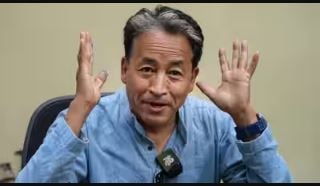
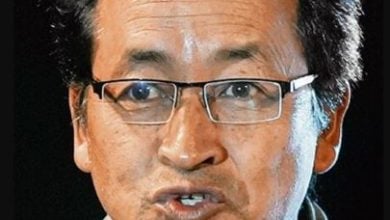
Leh: Prominent climate activist Sonam Wangchuk has joined a hunger strike led by the Leh Apex Body (LAB) in Ladakh region of Indian illegally occupied Jammu and Kashmir after being released from house detention, as protests intensify against the administration’s decision to hold local council elections amid growing demands for democratic rights and constitutional safeguards.
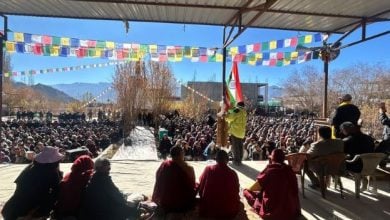
Wangchuk joined the ongoing protest on Saturday, coinciding with polling for panchayat and municipal elections across Ladakh, despite opposition from the region’s two major representative bodies, the LAB and the Kargil Democratic Alliance (KDA).
The two bodies have been protesting the administration’s decision to hold elections to the Ladakh Autonomous Hill Development Councils (LAHDCs) on December 4, citing concerns over the harsh winter conditions and irregularities in electoral rolls. Their longstanding demands include an elected legislature, constitutional safeguards under the Sixth Schedule and the release of the pending judicial inquiry report into the September 2025 Leh violence in which four protesters were killed and scores injured in Indian forces’ firing.
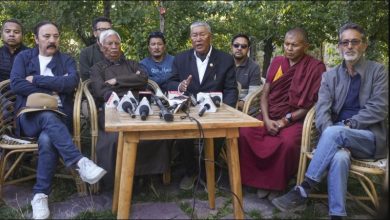
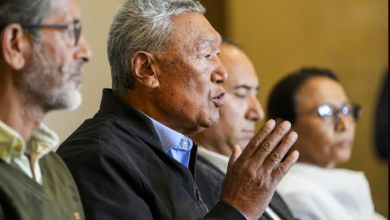
Addressing a press conference in Leh alongside Wangchuk, LAB chairman Chering Dorje Lakruk strongly questioned the rationale behind conducting elections during Ladakh’s harsh winter and alleged large-scale deletions from voter lists. He said widespread irregularities had compromised the electoral process.
“We want to tell the nation that voter deletions have taken place on a large scale in Ladakh,” Lakruk said, raising concerns over the integrity of electoral rolls ahead of the crucial hill council elections.
He also criticised the timing of the polls, pointing out that sub-zero temperatures and seasonal migration force a substantial portion of Ladakh’s population, particularly students and workers, to leave the region during winter.
Lakruk contended that holding elections in November and December effectively disenfranchised young and first-time voters. He suggested that the haste to conduct the polls was aimed at weakening the region’s collective leadership ahead of future negotiations with New Delhi.
Wangchuk, for his part, urged Indian Prime Minister Narendra Modi and Defence Minister Rajnath Singh to intervene directly in the crisis. He warned that alienating the local population and ignoring democratic grievances in a strategically sensitive border region could have implications for India’s security.
He also pointed out that several villages had announced election boycotts and that polling stations had reportedly been removed in certain areas, warning that similar concerns could arise during the forthcoming hill council elections.
Questioning the timing of the December 4 LAHDC polls, Wangchuk said a significant number of Ladakh residents were currently outside the region and would be unable to exercise their voting rights because of the winter election schedule. He also expressed concern over alleged deletions from voter lists, saying many young people risked being deprived of their democratic right to vote.