Bangladesh’s Rahman snubs Modi, chooses Malaysia in foreign policy shift
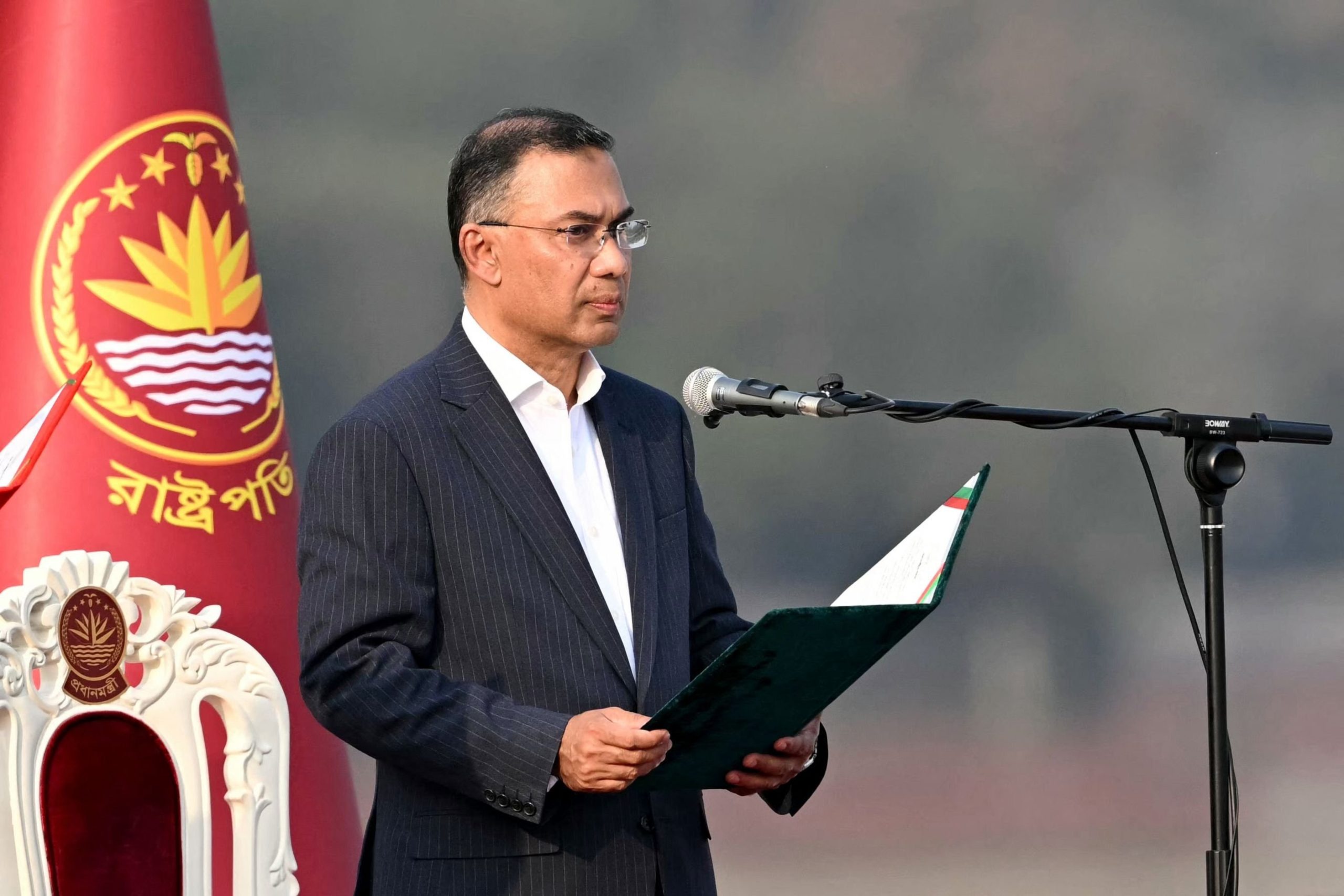
Dhaka: Bangladesh Prime Minister Tarique Rahman’s decision to undertake his first overseas visit to Malaysia and China instead of India has generated debate in diplomatic circles, with analysts viewing the move as a reflection of Dhaka’s increasingly independent and interest-driven foreign policy.
According to Kashmir Media Service, Tarique Rahman departed for Malaysia on Sunday on the first leg of a six-day visit that will also take him to China, where he is expected to hold talks with senior Chinese leaders and oversee the signing of agreements aimed at enhancing investment and infrastructure cooperation.
The visit comes despite an earlier invitation extended by Indian Prime Minister Narendra Modi shortly after Rahman assumed office in February.


Political observers say Rahman’s decision to prioritize Malaysia and China over India has fueled speculation about the future direction of Bangladesh-India relations. While officials in New Delhi have sought to downplay the significance of the move, analysts note that the choice of destinations carries diplomatic significance, particularly at a time when regional powers are competing for greater influence in South Asia.
Experts point out that Malaysia remains a major destination for Bangladeshi workers, while China has emerged as one of Bangladesh’s largest economic partners and a key source of investment in infrastructure and development projects. They argue that the visit reflects Dhaka’s focus on economic interests and diversification of international partnerships rather than reliance on any single regional power.
Analysts further maintain that Bangladesh under Tarique Rahman appears keen to pursue a balanced foreign policy based on national interests. They say the decision to begin his foreign engagements outside India underscores Dhaka’s desire to expand strategic and economic cooperation with a broader range of countries while maintaining relations with its neighbors on the basis of mutual respect and equality.
The development is being closely watched across the region, as it may shape future diplomatic and economic alignments in South Asia.