Burhan Wani: The Dadsara Boy
 Sheikh Abdul Momin
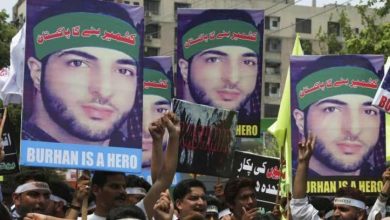
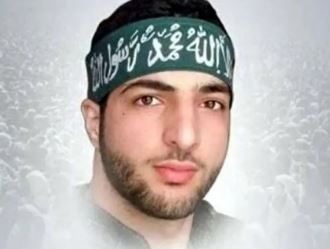
 In Indian illegally occupied Jammu and Kashmir (IIOJK), few could have imagined that a 22-year-old youth would emerge as one of the most influential faces of the Kashmir resistance movement. Born on September 19, 1994, in Dadsara village of Tral in Pulwama district, Burhan Muzaffar Wani was the son of school principal Muhammad Muzaffar Wani. Growing up alongside two younger brothers and a sister, Burhan witnessed the harsh realities of life under Indian occupation, including military crackdowns, arbitrary detentions and other human rights abuses. These experiences profoundly shaped his outlook and commitment to the Kashmir cause.
At the age of 15, Burhan left home and joined the resistance movement. The Indian authorities later announced a reward of Rs10 lakh for information leading to his capture. Unlike many before him, Burhan used social media as a powerful tool to communicate his message, mobilize support and connect with Kashmiri youth. Through Facebook and WhatsApp, he projected himself as a prominent face of the resistance, bypassing traditional media and reaching audiences both within and beyond Kashmir. His online presence inspired many young Kashmiris and fundamentally changed the way the resistance movement communicated with the public.
Burhan’s influence extended far beyond his role as a resistance commander. For many Kashmiri youth who felt repressed, alienated, and marginalized, he became a symbol of defiance, resilience and hope. Years after his killing, what has come to be known as the “Burhan effect” continues to reflect the deep political discontent in IIOJK and the enduring aspiration of the Kashmiri people for the realization of their internationally recognized right to self-determination.
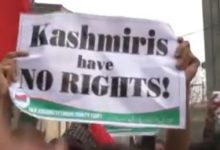
On July 8, 2016, Burhan Wani and his two associates were martyred by Indian troops during an operation in the Kokernag area of Islamabad district. His killing sparked a months-long mass uprising across IIOJK. During the subsequent protests, Indian troops killed more than 150 Kashmiris and injured thousands by using bullets, pellet guns and teargas shells against demonstrators.
A decade after his martyrdom, Burhan Wani remains one of the most enduring symbols of the Kashmir resistance movement. For oppressed Kashmiris, his life and sacrifice continue to embody the struggle for freedom, dignity and the right to self-determination.
The writer is an Islamabad-based journalist.