India using military tactics to suppress Kashmiris’ plebiscite demand
IIOJK remains cut off as World Humanitarian Day being observed globally today
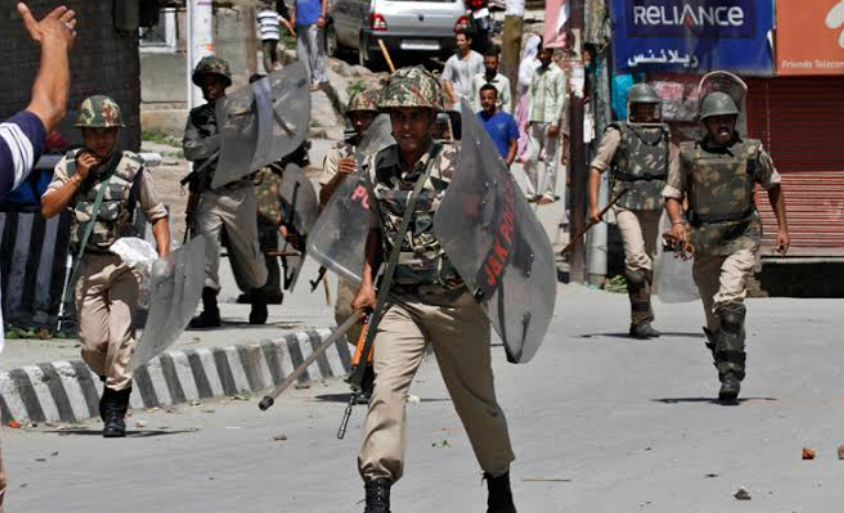
Srinagar, August 19 (KMS): Political experts and analysts in Indian illegally occupied Jammu and Kashmir have said that India is using draconian laws and military tactics to punish and suppress the legitimate political demands of the Kashmiri people for a UN-acknowledged plebiscite and freedom from Indian occupation.
According to Kashmir Media Service, the political experts and analysts, in their interviews and statements in Srinagar, said that as World Humanitarian Day was observed across the globe today, IIOJK remained largely inaccessible to international humanitarian organizations.
The Indian government under the BJP has largely restricted independent international human rights organizations, foreign journalists, and United Nations human rights investigators from conducting unhindered visits to occupied Jammu and Kashmir, particularly following the revocation of Article 370 in August 2019.Independent bodies, foreign delegations, and UN special rapporteurs have routinely been denied requests for independent on-the-ground access, while local civil society groups, local human rights defenders, and journalists in the disputed region have faced intense state scrutiny and legal restrictions.
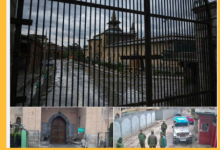
They said that, in an effort to keep its alleged human rights abuses and state repression away from international scrutiny, the Indian government has restricted international humanitarian workers and organizations from operating freely in IIOJK. They said the BJP regime has invoked draconian laws, including the Armed Forces (Jammu and Kashmir) Special Powers Act (AFSPA), Jammu and Kashmir Public Safety Act (PSA), Unlawful Activities (Prevention) Act (UAPA), Jammu and Kashmir Disturbed Areas Act, Terrorist and Disruptive Activities (Prevention) Act (TADA), Prevention of Terrorism Act (POTA), and National Security Act (NSA).
They said foreign aid workers have also faced difficulties in obtaining visas, leaving the oppressed Kashmiri population without adequate international humanitarian support.
The analysts said these black laws have been used to restrict political and social activities and to arrest thousands of people, including political leaders, activists and civil society members, who have been detained in jails in IIOJK and various parts of India.
They expressed serious concern over the victimization of civilians by Indian forces as well as personnel of the National Investigation Agency (NIA) and State Investigation Agency (SIA) during cordon-and-search operations and house raids in Srinagar, Ganderbal, Budgam, Baramulla, Kupwara, Kulgam, Shopian, Pulwama, Bandipora, Islamabad, Poonch, Rajouri, Kishtwar and other districts.The political experts and analysts maintained that international human rights organizations have documented cases of cordon-and-search operations, house raids, sexual violence, including rape and gang rape, and illegal detentions in IIOJK.
The analysts deplored that, according to their assessment, members of the Indian armed forces accused of such violations have rarely faced accountability, which they attributed to legal protections and impunity. They said the international community must take concrete steps to address curbs, human rights violations and the use of coercive measures by the Indian BJP government and its forces in IIOJK. They appealed to the UN Human Rights Council, Organization of Islamic Cooperation, Amnesty International, Human Rights Watch and other international bodies to send fact-finding teams to visit jails in IIOJK and India and assess the human rights situation in the occupied territory.