Manipur Muslims take to streets against non-Muslims’ inclusion in Waqf Board
 Imphal: Muslims in India’s strife-torn Manipur state have taken to the streets against the appointment of non-Muslims to the Waqf Board, which oversees Islamic religious and charitable properties.
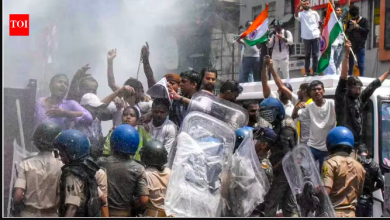
According to Kashmir Media Service, hundreds of protesters from Manipur’s Pangal Muslim community marched about four kilometers from Usoipokpi to Lilong Bazar in Thoubal district, demanding that the BJP-led state government reverse the appointments.
The protest followed the government’s August 3 constitution of a seven-member Waqf Board that includes two non-Muslims, among them state BJP president and federal lawmaker A. Sharda Devi.
Waqf properties in India include mosques, graveyards, madrasas and land whose proceeds support education, welfare and other community institutions. For decades, state Waqf Boards were administered by Muslims. Under the Waqf Act of 1995, all members of state boards were required to be Muslims. This provision was changed after Indian Prime Minister Narendra Modi’s Hindutva government pushed a sweeping amendment through Parliament in 2025, despite fierce opposition from Muslim organizations and opposition parties. Muslim groups have criticized the changes as state interference in their religious affairs and questioned the inclusion of non-Muslims in the administration of properties dedicated specifically to Islamic religious and charitable purposes.


Manipur-based Muslim organizations have similarly pointed to the management of institutions belonging to other faiths, arguing that such bodies are generally administered by members of the respective religious communities.
“The inclusion of non-Muslim members has deeply hurt the sentiments of the Pangal community,” one protester said, arguing that the appointments affect both Muslim religious identity and the community’s longstanding ability to administer its own institutions.