Saikun Khan killing as case study exposes official, social response in India
Muslim man’s death highlights growing silence over hate crimes
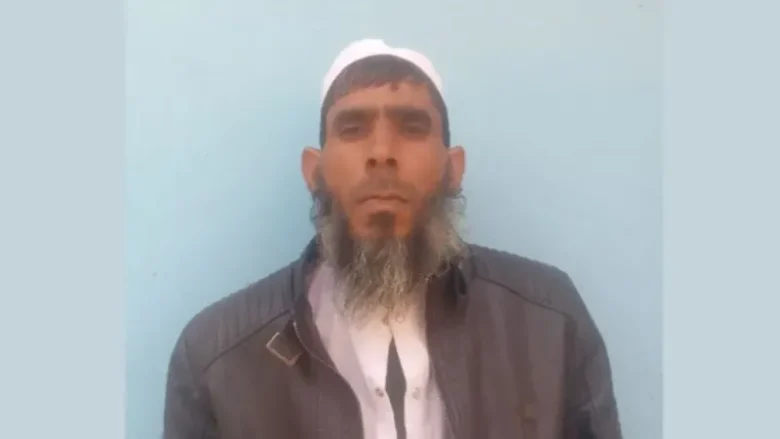
Jaipur: The killing of a Muslim man outside a police station in Rajasthan’s Alwar district, as a case study, has raised fresh concerns over anti-Muslim violence, police response and what critics describe as growing social indifference to hate crimes against Muslims across India.
The targeting of 40-year-old Saikun Khan is the best example of how Muslims are treated by the Indian government and India’s radicalized society. Khan was attacked with stones on September 24 outside the Baroda Meo police station while he was on his way to the market. He was critically injured and died while being taken to hospital. Police arrested a 21-year-old man, identified as Harsh Murtikar, in connection with the killing.
Khan’s family has alleged that he was targeted because his beard and skullcap made his Muslim identity apparent. His younger brother, Irshad Khan, said the family knew of no dispute between Saikun and the accused and questioned why the attack occurred directly outside a police station.

The incident also triggered protests by local Muslims demanding action against the accused, accountability and compensation for Khan’s family. Reports said protesters questioned the police response to an attack that occurred immediately outside the station.
The episode has also drawn attention to a broader concern: whether repeated attacks on Muslims are receiving proportionate public and institutional attention. The question is particularly significant for Khan’s family, which has reportedly sought immediate support, compensation and employment for his teenage son rather than waiting indefinitely for judicial proceedings.
The case thus extends beyond the death of one man, raising questions about protection of minorities, accountability for violence and the willingness of institutions and civil society to respond when Muslims become victims of alleged hate crimes.