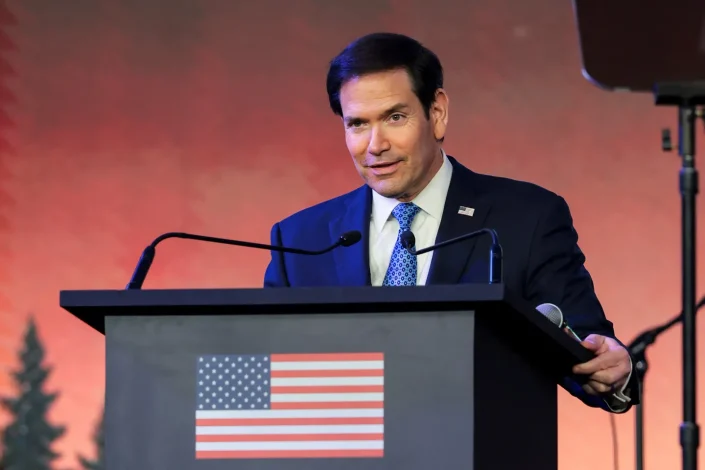
 Mumbai: US Secretary of State Marco Rubio has acknowledged Pakistan’s strategic importance in South Asia, saying Washington needs to maintain relations with Islamabad because of its geographical significance and nuclear capabilities.
Rubio made the remarks in an interview with Indian media during his visit to India, which concluded on Thursday. He said Pakistan was a nuclear-armed country and the United States needed to remain engaged with it because of its strategic location.
“In the case of Pakistan, it’s a country that we have to have a relationship with,” he said.
Comparing Washington’s engagement with Islamabad to New Delhi’s ties with Tehran, Rubio said that just as India needed to maintain relations with Iran and engage with its leadership, the United States also considered it important to maintain ties with Pakistan.


Maintaining relations with Pakistan, he suggested, could help Washington influence Islamabad and discourage actions that concern New Delhi.
Rubio said maintaining relations with different countries despite disagreements was an essential part of his responsibilities as Secretary of State.
In a separate interview, Rubio rejected suggestions that closer US-Pakistan relations could undermine Washington’s partnership with New Delhi. He said, “Our relationship with no country in the world at any way comes at the expense of our relationship with India.”
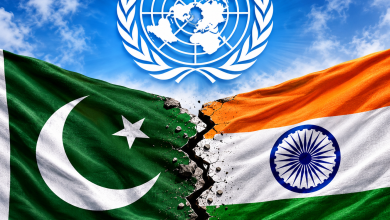
Rubio’s remarks come amid strained relations between the two traditional nuclear-armed rivals, Pakistan and India, following their military conflict in May 2025.
Critics say Rubio’s remarks underscore Pakistan’s enduring strategic importance to Washington and demonstrate that New Delhi cannot dictate the course of US-Pakistan relations. They argue that Pakistan’s nuclear capabilities, geographical position and regional role ensure its continued relevance to American strategic interests, regardless of India’s concerns.