Indian forces continue cordon and search operations in IIOJK
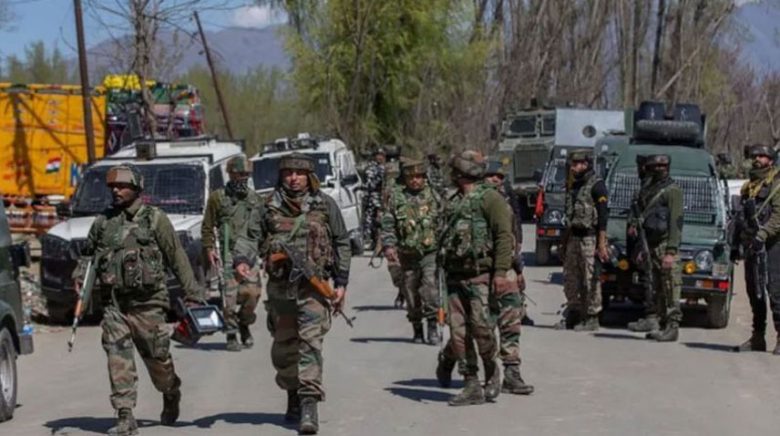
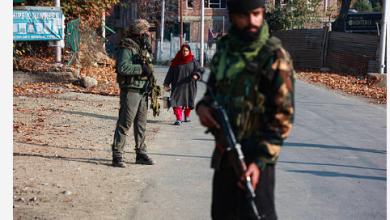
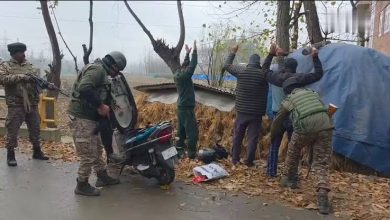
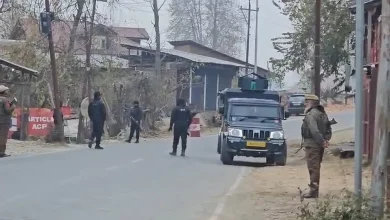
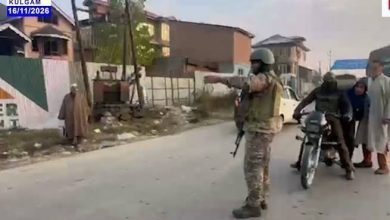
Srinagar: Indian forces have continued cordon and search operations in different areas of Indian illegally occupied Jammu and Kashmir, intensifying strict measures across the occupied territory.
Personnel of the 156 Territorial Army and 37 Rashtriya Rifles, operating under the 6 Sector Rashtriya Rifles, launched a cordon and search operation near Kasbalari village in the Salani area and Mandi in Mendhar tehsil of Poonch district.
Indian forces claimed to have busted a hideout in the Salani area, recovering seven suspected improvised explosive devices (IEDs) and other explosive materials.

Meanwhile, Indian forces continued cordon and search operations in Kakora and Mehari in the Kalakote area of Rajouri district, as well as in Sopore and Handwara.
The continued cordon and search operations, house raids, checking and restrictions have heightened concerns among residents about their safety, privacy and freedom of movement. Such operations often involve the cordoning off of localities, searches of residential properties and questioning of residents, disrupting daily life and creating an atmosphere of fear and uncertainty.
The extensive deployment of Indian forces and repeated operations are also intended to tighten control over the occupied territory and suppress pro-freedom sentiments.
The observers maintain that indiscriminate searches, intimidation and restrictions can deepen public resentment rather than address the underlying political grievances of the Kashmiri people. Residents’ rights and civilian safety, they say, must be protected during cordon and search operations.
Indian forces enjoy extensive powers in IIOJK.
However, Indian forces, operating under draconian laws such as the Armed Forces Special Powers Act (AFSPA), enjoy extensive powers in the name of security and operations in IIOJK.
Human rights advocates have raised concerns that these legal provisions enable searches, raids, arrests and detentions with inadequate accountability, creating conditions in which residents face harassment and intimidation under the pretext of countering militancy.
Critics argue that the continued use of such laws undermines civil liberties, weakens accountability and intensifies fear among the local population.