Pakistan Embassy in Beijing renews pledge of support for Kashmiris
Black Day ceremony features official messages, documentary and photo exhibition
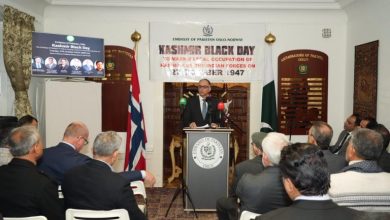
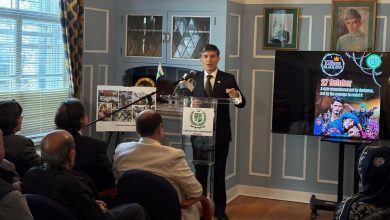
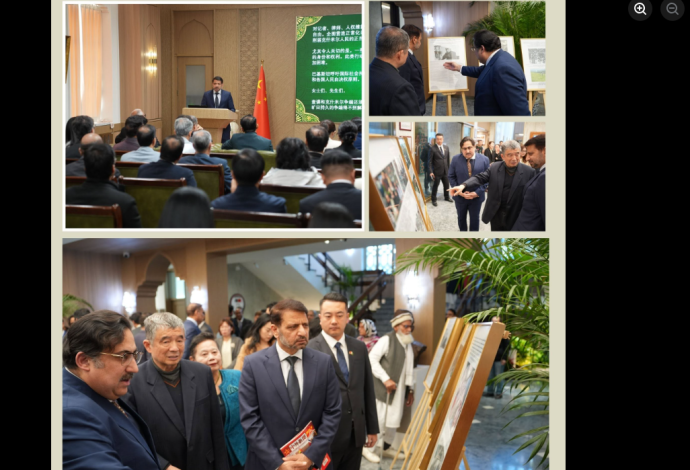 Beijing: The Pakistan Embassy in Beijing held a ceremony to mark Kashmir Black Day, reaffirming support for the Kashmiri people’s right to self-determination and calling for a just and lasting settlement of the Kashmir dispute.
The ceremony reaffirmed Pakistan’s solidarity with the people of Indian illegally occupied Jammu and Kashmir (IIOJK). Speakers emphasised that the Kashmir dispute should be resolved in accordance with relevant United Nations Security Council resolutions and the aspirations of the Kashmiri people.
Messages from the President, Prime Minister, and Deputy Prime Minister and Foreign Minister of Pakistan were read out during the ceremony. The messages reiterated Pakistan’s commitment to extending moral, political and diplomatic support to the Kashmiri people’s legitimate struggle for the right to self-determination.
The messages also condemned persistent human rights violations in IIOJK and urged the international community to fulfil its obligations under international law and ensure respect for the fundamental rights of the Kashmiri people.

Addressing the ceremony, Pakistan’s Ambassador to China, Dr Syed Ali Asad Gilani, underscored the importance of upholding international law and implementing relevant UN Security Council resolutions to achieve a just settlement of the Kashmir dispute. He said a peaceful and lasting resolution of the dispute was essential for establishing enduring peace and stability in the region and beyond.
The ambassador also appreciated China’s principled stance on the Kashmir dispute and its support for resolving the issue in accordance with relevant UN Security Council resolutions. He said the Kashmir Black Day commemoration reflected Pakistan’s continued support for the Kashmiri people’s struggle for self-determination, dignity and justice.
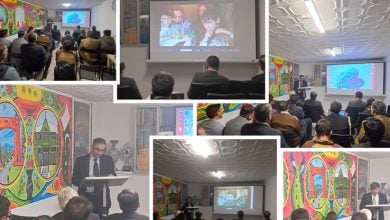
A documentary highlighting the hardships faced by the people of IIOJK was screened during the ceremony, followed by a photo exhibition depicting the human rights situation in occupied Jammu and Kashmir.
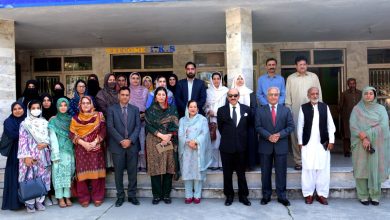
The event was attended by a large number of people, including academics, educationists, media representatives, think tank experts and members of the Pakistani community.