Kashmir Black Day symposium urges youth to take Kashmir cause to int’l forums
Kashmir Black Day symposium urges youth to take Kashmir cause to international forums
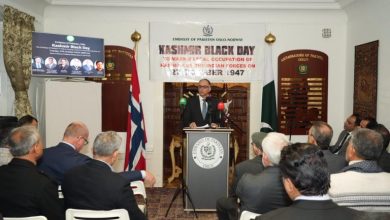
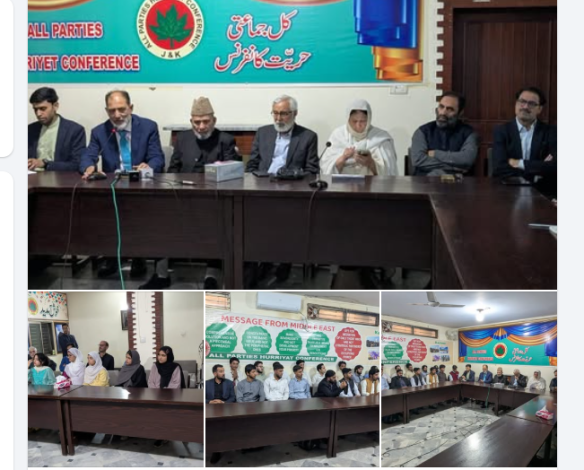 Islamabad: Speakers at a Kashmir Black Day symposium in Islamabad urged young people to take an active role in highlighting the historical, political, legal and humanitarian dimensions of the Kashmir dispute, stressing that research, informed debate and international engagement are vital to advancing the Kashmiri people’s right to self-determination.
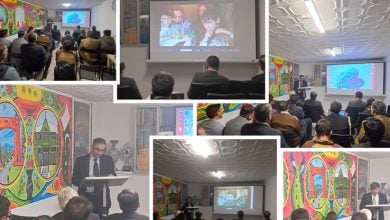
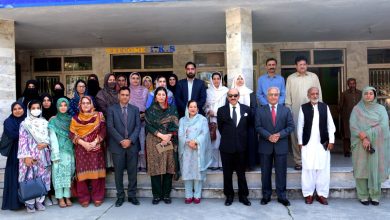
The symposium, titled “Kashmir Black Day: Youth Awareness Symposium,” was organised by the All Parties Hurriyat Conference Azad Jammu and Kashmir (APHC-AJK) chapter in collaboration with HEAL Pakistan and the Kashmir Institute of International Relations (KIIR) at the APHC-AJK office in Islamabad.
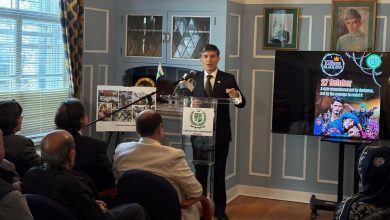
Held under the theme “Untold Story of 27 October and Youth Responsibility,” the event highlighted the historical background of Kashmir Black Day and the responsibility of young people to raise awareness about the political, legal and humanitarian dimensions of the dispute and the aspirations of the Kashmiri people.
APHC-AJK Convener Ghulam Muhammad Safi said the suffering of the Kashmiri people dated back to 1947, citing the Jammu massacre as a tragic episode in the history of the dispute. He said Muslims who supported the demand for a plebiscite were targeted during the violence.


Safi also criticised the United Nations for failing to ensure the implementation of its resolutions on Jammu and Kashmir, saying that the Kashmiri people had endured decades of uncertainty and suffering. He maintained that India’s refusal to resolve the dispute could not indefinitely prevent the realisation of the Kashmiri people’s right to self-determination. He expressed hope that the international community would take meaningful steps towards a just and peaceful settlement.
Senior APHC-AJK leader Muhammad Farooq Rehmani drew parallels between the situations in Palestine and Jammu and Kashmir, pointing to similarities between Israeli policies in Palestine and Indian policies in Indian illegally occupied Jammu and Kashmir (IIOJK). He highlighted the need to examine the political and strategic dimensions of relations between India and Israel and urged young people, researchers and academics to study these developments and their regional implications. He stressed that youth-led research and informed debate could help strengthen international understanding of the Kashmir dispute.
Chairman KIIR Altaf Hussain Wani emphasised the importance of youth participation in highlighting the Kashmir dispute and raising awareness at national and international levels. He said the unresolved conflict remained a major source of tension and instability in South Asia. Stressing the significance of Jammu and Kashmir for Pakistan, he called upon young people to understand the dispute in its historical and legal context and effectively communicate the aspirations of the Kashmiri people to the international community.
Senior Hurriyat leader Madam Shamim Shawl said young people represented the future of Kashmir and Pakistan, describing every young person as a potential diplomat and ambassador for the Kashmiri cause. She said Kashmiris in IIOJK, Azad Jammu and Kashmir and across the world would continue to observe October 27 as Black Day until their right to self-determination was realised.
She urged young people to write newspaper columns, opinion pieces, blogs and research papers to highlight the Kashmir dispute and inform international audiences about the aspirations of the Kashmiri people.
The symposium concluded with an emphasis on the responsibility of young people to promote awareness of the Kashmir dispute through research, education, constructive dialogue and engagement with international institutions. Participants stressed the need to keep the issue alive in global discourse and advocate a peaceful settlement in accordance with relevant United Nations Security Council resolutions and the aspirations of the Kashmiri people.