Jamiat Ulama-i-Hind urges Indian govt to stop mosque demolitions, madrasa harassment, rejects UCC
New Delhi: Jamiat Ulama-i-Hind has urged the BJP-led Indian government to halt demolition drives targeting mosques and the harassment of madrasas, while rejecting the Uniform Civil Code (UCC) in its entirety, describing it as discriminatory by nature.
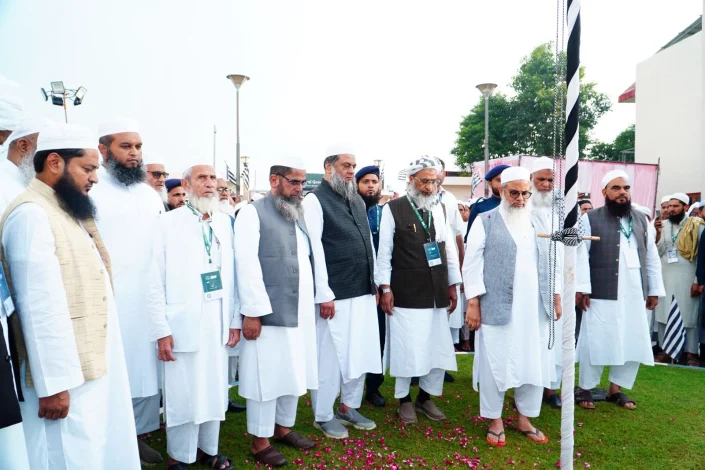
The demands were made in three resolutions adopted on Friday during the opening session of the organisation’s annual Governing Council meeting at DLF Springfield in Haryana’s Nuh district. Jamiat president Maulana Mahmood Asad Madani chaired the meeting, which brought together around 2,000 Governing Council members, prominent personalities and leading Islamic scholars from across India. The meeting is scheduled to conclude today.
The first resolution expressed serious concern over the harassment of madrasas in the name of recognition, what it termed baseless propaganda against these institutions, and attempts to create controversies around minority educational establishments. It urged the Indian government and relevant authorities to immediately end such practices and ensure that madrasas enjoy the rights and constitutional protections guaranteed to them.


The second resolution voiced deep concern over the growing trend of targeting mosques, Eidgahs, dargahs and other religious sites across India. It stated that mosques are not merely buildings but also represent the faith and collective identity of Muslims and embody the religious freedom guaranteed under Articles 25 and 26 of the Indian Constitution.
Emphasising the importance of the Places of Worship (Special Provisions) Act, 1991, the resolution said the law was intended to preserve the religious character of places of worship and prevent the reopening of historical disputes. It noted that the Indian Supreme Court, in its Ayodhya judgment, had recognised the Act as an important feature of the Constitution’s secular framework.
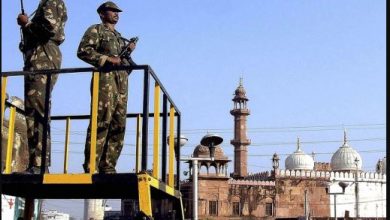
The Governing Council criticised orders issued by lower courts directing surveys of places of worship, saying they disregarded the spirit of the law. It cited the case of the historic Shahi Jamia Masjid in Sambhal, where a unilateral survey order was followed by developments that seriously disturbed peace and law and order.
The Council urged the Indian government and higher judiciary to ensure full compliance with the Supreme Court’s interim order of December 12, 2024, and to dismiss at the preliminary stage any fresh petitions challenging the religious character of places of worship in violation of the 1991 Act. It called for action against officials found violating the law.
The third resolution rejected the Uniform Civil Code (UCC) in its entirety, describing it as discriminatory by its very nature.
The resolutions had been drafted and approved at a meeting of the Jamiat’s Working Committee (Majlis-e-Amila), held on October 29 at Madani Hall, the organisation’s central office in New Delhi, before being presented to the Governing Council for approval.