UN brands Israel ‘apartheid’ as Modi-Netanyahu bond targets Palestine, Kashmir freedoms
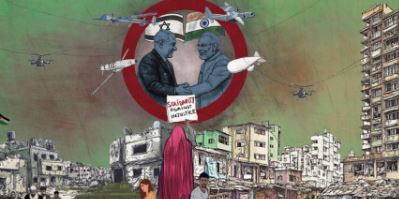
Islamabad: In the backdrop of a UN report declaring Israeli policies in the occupied West Bank as apartheid, Indian Prime Minister Narendra Modi has spoken to Israeli Premier Benjamin Netanyahu, reaffirming their resolve to deepen strategic partnership and “fight terrorism with greater determination,” underscoring the growing collusion between New Delhi and Tel Aviv in pursuing coercive policies against occupied peoples.
According to Kashmir Media Service, Modi, in a post on X, said he conveyed New Year greetings to Netanyahu and discussed ways to further strengthen the India–Israel strategic partnership and exchanged views on the regional situation.
Observers note that this reaffirmation of joint “counter-terrorism” resolve comes even as the UN Human Rights Office has warned that Israel is enforcing a system of racial segregation and apartheid in the occupied West Bank, marked by repression, dispossession and impunity.
Experts said the Modi-Netanyahu conversation once again lays bare the ideological convergence between the two regimes that justify occupation, label legitimate resistance as “terrorism,” and trample international law with impunity. They maintained that the same draconian playbook is being applied in Indian illegally occupied Jammu and Kashmir, where India continues demographic engineering, collective punishment, arbitrary detentions, militarization, and denial of the Kashmiris’ UN-recognized right to self-determination.
They stressed that the UN’s categorical determination of apartheid in the West Bank should compel the world body to deliver the same principled verdict on India’s systematic repression in IIOJK, where discriminatory laws, settler-style policies, land grabs, movement restrictions and legalized impunity mirror the patterns documented in the occupied Palestinian territory.
India and Israel are “hands in glove” in normalizing occupation through military force, information warfare and manufactured narratives of counter-terrorism, while both regimes weaponize law to silence dissent, the experts added. They called upon the United Nations, OIC, and global human rights organizations to move beyond statements and take concrete action to hold both governments accountable under international law.
They reiterated that durable peace in South Asia and the Middle East hinges on ending military occupations and ensuring the inalienable right to self-determination of Kashmiris and Palestinians.