Hindu festivities promoted, Muslim prayers repeatedly barred in Kashmir
Iltija Mufti deplores restrictions on worship at historic Jamia Masjid while Diwali celebrations were facilitated at Lal Chowk
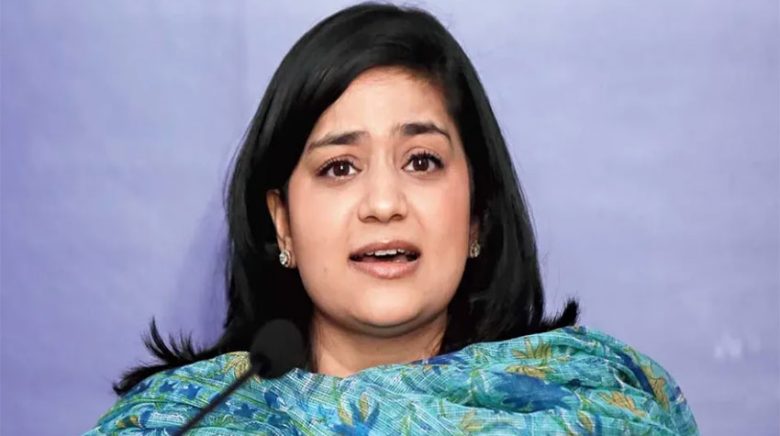 Srinagar: In Indian illegally occupied Jammu and Kashmir (IIOJK), authorities are facing criticism for facilitating Hindu religious festivities at Srinagar’s iconic Lal Chowk and other places while repeatedly restricting Muslim religious gatherings, particularly congregational prayers at the historic Jamia Masjid, reflecting a glaring disparity in the treatment of religious communities.
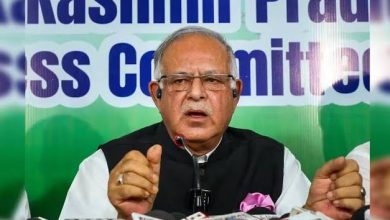
According to Kashmir Media Service, Peoples Democratic Party (PDP) leader Iltija Mufti questioned the authorities’ contrasting approach towards religious activities, pointing out that thousands of earthen lamps were allowed to illuminate Lal Chowk on November 8 for Hindu Diwali celebrations, while Muslims continued to face restrictions on worship at one of the territory’s most important religious institutions.
Reacting to the celebrations, Mufti expressed dismay over what she described as the National Conference government’s silence on repeated restrictions imposed on Muslims, accusing it of normalizing discrimination against Islam and Kashmiri Muslims.
She said the repeated denial of access to Jamia Masjid on important Islamic occasions and even on certain Fridays raised serious questions about religious freedom and equal treatment in the Muslim-majority territory.


The Srinagar’s historic Jamia Masjid has repeatedly been closed to worshippers on major Islamic occasions. On March 13, 2026, authorities barred Jumat-ul-Vida prayers there for the seventh consecutive year.
Earlier, on February 3, 2026, authorities disallowed Shab-e-Barat prayers at the grand mosque. Indian police had directed the Anjuman Auqaf Jamia Masjid to close its gates despite preparations for the religious occasion.
Similarly, on June 7, 2025, Eid-ul-Azha prayers were not allowed at Jamia Masjid and Srinagar’s Eidgah. Even Fajr prayers were disallowed that morning, and the mosque remained locked.
The repeated restrictions on Muslim religious gatherings, alongside the facilitation of Hindu religious festivities at prominent public places, have heightened concerns over religious freedom and equal treatment in occupied Jammu and Kashmir.