India: Bengali-speaking Muslims face evictions, home demolitions and selective targeting in BJP-Ruled Assam
International concern grows over human rights violations against Muslim families in India
 Report by Raies Mir
Bengali-speaking Muslim families in India’s BJP-ruled Assam are facing growing concerns over mass evictions, demolition of homes, forced displacement and police brutality. Recent eviction operations have disproportionately affected economically vulnerable Muslim communities, raising serious questions about religious discrimination, equal citizenship, human rights and the rule of law.
The developments have attracted regional and international attention, with journalists, human rights activists, politicians and international voices expressing concern over the treatment of affected families in India.
Rana Ayyub: “To Report from Assam Is to Live a Trauma”


Prominent Indian journalist Rana Ayyub has drawn attention to the suffering of Muslim families in Assam, describing the experience of reporting from the state as traumatic.
In a series of social media posts published on November 26, 2026, Ayyub shared videos on Instagram and X documenting the destruction of homes and the suffering of families affected by government-led eviction operations.
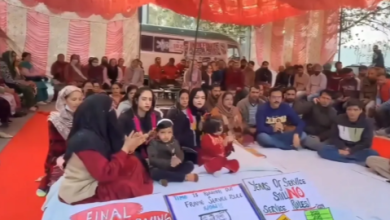
One particularly distressing video featured a grieving mother whose child was reportedly killed in police firing during an eviction operation while their home was being demolished. The footage highlighted the devastating consequences of the operation for families who have lost loved ones, homes and livelihoods.
A major concern highlighted in the reports is that Muslim families who assert their Indian citizenship and possess identity documents and land records are still facing eviction and displacement.
The incidents have raised serious questions about the protection of citizens’ constitutional rights and the treatment of vulnerable communities.
Thousands displaced in Assam’s eviction operations
The latest developments form part of a broader series of eviction operations carried out across Assam.
On November 1, 2026, authorities in Dhubri district demolished homes belonging to hundreds of Bengali-origin Muslim families in Alamganj Part-IX.
According to a report by Scroll, more than 640 families were affected, leaving over 4,000 people displaced.
Another disturbing incident occurred in Lakhimpur district on November 13, when authorities demolished the homes of 132 Bengali Muslim families in Boginadi. These families had reportedly settled in the area after being displaced during the 1983 Assam riots.
Affected residents said that they were selectively targeted, stressing that neighbouring Hindu families were not subjected to similar demolition operations.
These reports have intensified concerns over whether eviction policies are being implemented impartially and equally, irrespective of religious identity.
For the affected families, the demolitions have meant the loss of shelter, property, livelihoods and a sense of security.
Swedish climate activist draws International attention to Assam evictions
The treatment of Bengali-speaking Muslims in Assam has also attracted international attention following intervention by Swedish climate activist Greta Thunberg.
According to reports published on November 27, 2026, Thunberg shared footage highlighting the demolition of homes belonging to Bengali-speaking Muslim families in Assam through her official social media accounts, including Instagram, in collaboration with journalist and activist Rana Ayyub.
Sharing the video, Ayyub condemned the treatment of Muslim residents and urged India’s opposition leaders to raise their voices against the injustice.
“The savage injustice in Assam being perpetrated on the Muslim citizens of the state must stop. It is the single most damning indictment of the Modi government and every sensible voice in the opposition must speak up now,” she wrote.
The footage highlighted the demolition of homes belonging to 132 Bengali Muslim families in Assam.
The reports have raised serious questions about religious discrimination, the equal application of eviction laws and the protection of minority communities.
Thunberg’s intervention has brought further international attention to the situation of vulnerable Muslim families and the wider debate over minority rights and government accountability in India.
Congress leader accuses BJP govt of political polarization
Senior Congress leader and former Rajya Sabha member Ripun Bora has also criticised the BJP-led Assam government over its eviction policies and the treatment of vulnerable communities.
The criticism centres on reports that Muslim families, including those displaced by recurrent floods and riverbank erosion, are being disproportionately targeted in eviction operations.
Several affected families have reportedly said that they possess land-allotment orders, revenue-payment receipts and other land-related documents but have nevertheless faced eviction and demolition.
HR bodies raise concerns over expulsions and discrimination
The situation in Assam is part of a wider debate over the treatment of Bengali-speaking Muslims and other vulnerable communities across BJP-governed states.
Human rights organisations, independent experts, journalists and civil society groups have raised concerns about profiling, arbitrary detention, forced expulsions and discriminatory enforcement practices.
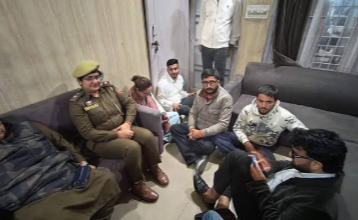
Expulsions and Deportations: In a report published on July 23, 2025, Human Rights Watch raised concerns over the unlawful expulsion of hundreds of ethnic Bengali Muslims, including Indian citizens and Rohingya refugees, to Bangladesh without due process. The report cited figures from Bangladesh’s Border Guard Bangladesh indicating that more than 1,500 Muslims were expelled between May 7 and June 15, 2025.
A Just Security report published on May 4, 2026, also referred to findings by a Panel of Independent International Experts documenting report abuses in Assam and Uttar Pradesh, including forced deportations, arbitrary arrests and extrajudicial killings.
Detention and Profiling of Bengali Speakers: Citizens for Justice and Peace (CJP), in a report dated September 5, 2025, said Bengali-speaking Muslims and migrant workers in Assam, Bihar, Delhi, Gujarat and Maharashtra have faced profiling, harassment, detention and covert deportations after being labelled Bangladeshis or infiltrators, despite some possessing valid identity documents, including Aadhaar cards and voter identification.
A report by Muslim Network TV on August 24, 2026, similarly highlighted that Bengali-speaking migrant workers, predominantly Muslims, were questioned by police in Bengaluru during immigration-related drives, even after presenting identity documents.
Evictions and Citizenship Disputes: PBS News report published on May 18, 2026, highlighted concerns surrounding citizenship verification through Foreigners Tribunals, home demolitions and eviction operations in Assam that have reportedly affected at least 50,000 people, predominantly Muslims.
Critics have also raised concerns that citizenship verification exercises and electoral roll revisions may disproportionately affect Bengali-speaking Muslim communities.
Hindutva politics and the growing concerns of religious majoritarianism
Critics argue that the ideological framework of Hindutva and the political concept of a Hindu Rashtra have contributed to growing religious polarisation and concerns over India’s secular and constitutional framework.
They point to incidents of vigilante violence, cow-protection campaigns, harassment over interfaith relationships and attacks or intimidation involving religious minorities.
Organisations such as the RSS, BJP, Vishwa Hindu Parishad and Bajrang Dal have also faced criticism over the involvement of their members in activities targeting minority communities.
Policies and cultural shifts raise further questions
Opposition parties and minority-rights advocates have also voiced concern over a range of government policies and measures, including the Citizenship Amendment Act (CAA), anti-conversion laws in several states, revisions to historical narratives in school textbooks, and the renaming of cities and public institutions.
Critics contend that such measures, when viewed alongside incidents of communal violence and discriminatory enforcement, contribute to an atmosphere of insecurity among Muslims, Christians and other minority communities.
They have also referred to historical statements by early RSS ideologue M.S. Golwalkar as evidence of the exclusionary tendencies within the organisation’s ideological tradition.
A larger question about India’s democracy and minority rights
The situation in Assam has become part of a wider debate about India’s democracy, secularism, citizenship, religious freedom and the protection of minority rights.
The demolition of a home is not merely the destruction of a physical structure. For poor and vulnerable families, it means losing shelter, security, livelihoods, children’s education, community connections and the basic dignity of having a place to live.
The selective targeting, forced displacement and excessive police force warrant independent and impartial investigations. The authorities must ensure that eviction procedures comply with constitutional protections, due process and international human rights standards.
Indian citizenship and constitutional rights must be upheld irrespective of a person’s language, religion or ethnic background.
The international community, human rights organisations and democratic institutions should closely monitor the situation and press for accountability, justice and protection for affected families.
No community should be rendered homeless, stripped of its rights or treated as second-class citizens on the basis of its religious or linguistic identity.