Unresolved Kashmir dispute, Indian state terrorism lead to mental health crisis among adults in IIOJK
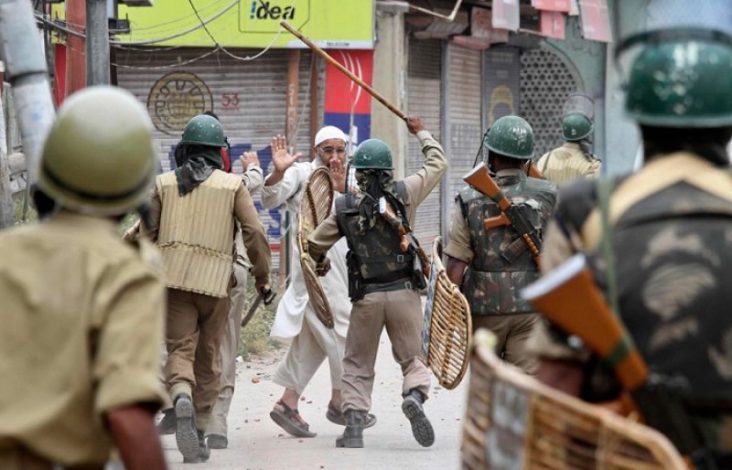
Srinagar: Ongoing Indian occupation and state terrorism have led to a significant mental health crisis among adults in Indian iIllegally occupied Jammu and Kashmir,
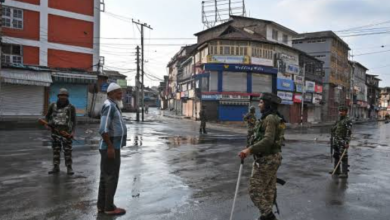
According to a report released by the Research Section of the Kashmir Media Service on the occasion of World Mental Health Day, a sharp increase in mental health disorders since the imposition of a strict military siege by the Bharatiya Janata Party-led Indian government following the illegal and forceful abrogation of constitutional rights on August 5, 2019. This has resulted in widespread psychological trauma among the population.
Human rights abuses, including torture, arbitrary detention, and extrajudicial killings, by Indian forces have deeply impacted the collective psyche of the people in the occupied region. The report also underscores enforced disappearances as one of the most traumatic consequences of the decades-long conflict. Over the past 36 years, more than 8,000 individuals have been subjected to enforced disappearances, with thousands more killed or tortured by Indian military, paramilitary, and police personnel.
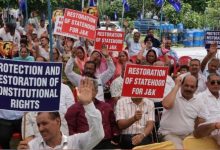

Between 2,000 and 2,500 of the disappeared individuals were married men. While the direct victims have mostly been men, the report stresses the profound psychological toll on women—mothers, daughters, sisters, and wives—who continue to live in uncertainty and grief.
Mental health disorders such as anxiety, depression, post-traumatic stress disorder (PTSD), and insomnia are now widespread across all sections of society. The report identifies Kashmir as facing a severe mental health crisis, intensified by prolonged political instability, human rights violations, and the near-collapse of mental healthcare infrastructure. Many individuals, especially youth, resort to self-medication and drug abuse to cope with chronic stress and trauma.
Recent surveys reflect the severity of the crisis:
• A 2025 community-based survey shows 11.3 percent of adults in IIOJK suffer from mental illness.
• A 2024 study among students found 12.5 percent experiencing severe depression and 24.26 percent suffering from severe anxiety.
• Mental disorders in children are also alarmingly high, with prevalence rates ranging between 22–27 percent.
Despite the scale of the crisis, only 12.6 percent of those affected are reported to seek professional help, largely due to the stigma associated with mental illness and the unavailability of mental health services in the region.
The report attributes these challenges to the militarized environment, frequent cordon-and-search operations, house raids, illegal detentions, unemployment, suppression of civil liberties, imposition of draconian laws, and the growing influence of non-Kashmiris in administrative and bureaucratic roles.
Experts have also observed a worrying rise in suicide rates over the past two decades, warning of a “silent emergency” unfolding in Kashmir.
The report concludes that the unresolved Kashmir dispute and continued political uncertainty are fundamental causes of the ongoing mental health crisis. It calls for urgent attention to mental health services and emphasizes that any long-term solution must begin with a peaceful resolution of the Kashmir dispute.