Analysts mock India’s Taliban outreach after Operation Sindoor debacle
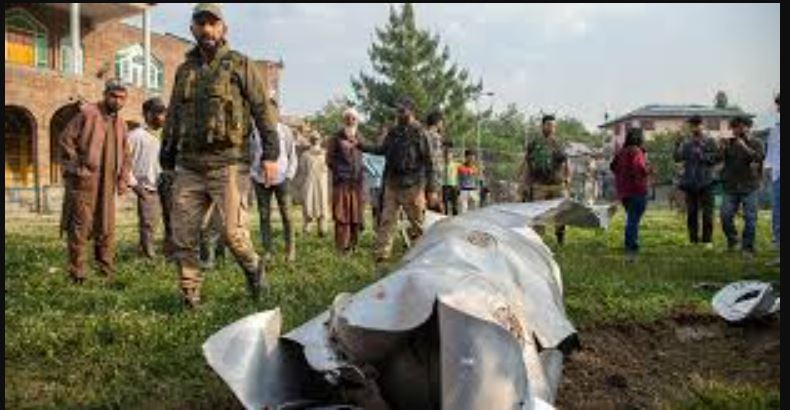
Islamabad: India’s outreach to the Taliban following its humiliating military failure in Operation Sindoor has triggered widespread outrage within India’s media, civil society, and diplomatic circles, exposing the Modi regime’s deepening crisis after its failed adventure against Pakistan.
According to Kashmir Media Service, the turning point came when India hosted the Taliban’s foreign minister in New Delhi — a move seen as a desperate bid to recover lost regional ground after suffering military and diplomatic setbacks.
Indian journalist Meenu Jain strongly criticized the shift, asking: “We were not so weak when we got freedom. If we now need Afghanistan and the Taliban to fight Pakistan, what world leadership do we claim? This is the result of the defeat in Operation Sindhur. They have gone so far that they do not understand whether to go to China or to the Taliban.”
She lambasted the hypocrisy of the BJP-led regime, which once denounced the Taliban’s treatment of women but is now courting the same group for political survival. Jain warned that Modi’s embrace of the Taliban reflects the RSS mindset of the Manusmriti, which confines women to subservience, and endangers Indian women socially and politically.
The Taliban minister’s visit quickly provoked anger across India after female journalists were barred from covering their first press conference in New Delhi. Media associations condemned the event as an affront to women’s dignity, while opposition leaders accused Prime Minister Modi of “surrendering India’s national pride before the Taliban out of fear of Pakistan.”
Even tensions arose at the Afghan embassy in New Delhi, where Taliban envoys reportedly attempted to replace the Afghan national flag with their own — a move resisted by embassy staff loyal to the former Ashraf Ghani government. The incident reinforced India’s image as a platform for foreign power struggles.
Indian defence experts, meanwhile, have denounced Operation Sindoor as a politically motivated disaster. Sushant Singh, a Yale lecturer and defence analyst, told Indian web portal, The Wire, that the mission was “tactically precise but strategically misguided,” costing India several aircraft merely to strike insignificant targets. Similarly, military commentator Pravin Sawhney described the operation as “militarily meaningless,” adding that it only exposed India’s weaknesses.
International observers, too, have highlighted the desperation behind New Delhi’s pivot to the Taliban. On France 24, Dr Subir Sinha termed India’s Taliban outreach “a move to circle Pakistan” and listed motives ranging from countering China and exploiting Afghan minerals to manipulating Muslim votes in Bihar. He also linked India’s covert cooperation with the Taliban to its continued support for proxy groups like the TTP and BLA.
Critics argue that the Modi regime’s engagement with the Taliban — a group condemned by the UN for “gender apartheid” — reflects moral collapse and political panic. In contrast, Pakistan’s restraint and diplomatic maturity, symbolised by Army Chief Field Marshal Syed Asim Munir’s recent meetings with the U.S. President and other global leaders, have earned Islamabad growing international respect.
Analysts conclude that New Delhi’s frantic turn to the Taliban marks India’s transformation from a self-proclaimed Vishwaguru to an isolated power haunted by its own failures — turning Operation Sindoor into Operation Surrender.