Modi avoids foreign tours as he cannot show face abroad after Sindoor failure
Used excuse of attending ASEAN summit virtually to avoid questions, criticism
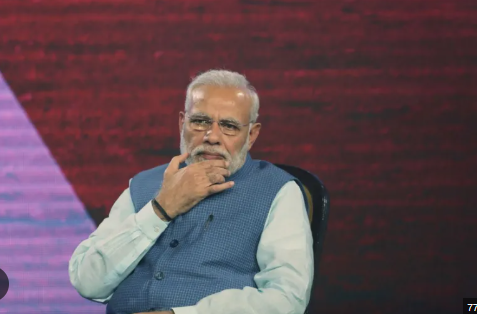 Islamabad: Indian Prime Minister Narendra Modi, following the disgraceful failure of Operation Sindoor, is avoiding high-profile international visits and meetings, including the Association of Southeast Asian Nations (ASEAN) Summit being held in Kuala Lumpur from October 26–28, 2025.
According to Kashmir Media Service, Modi will skip the ASEAN Summit in Kuala Lumpur and miss a potential meeting with US President Donald Trump to evade tough questions from the international media. He informed Malaysian Prime Minister Anwar Ibrahim that he would attend virtually, citing ongoing Deepavali celebrations. This is a clear indication of India’s diplomatic retreat and internal political crisis.
Earlier, Modi reportedly initially avoided the G7 Summit in Canada, only attending at the last minute, leaving without visiting the US or meeting Trump.
Modi’s planned visits, including a three-nation European tour (Croatia, Norway, Netherlands – May 13–17, 2025), India-Nordic Summit in Oslo (May 15–16, 2025), and Russia’s Victory Day celebrations (May 9, 2025) were also bypassed or minimized.

These diplomatic withdrawals come amid strained US-India trade relations, following Trump’s imposition of 50 percent tariffs on Indian exports, partly over India’s Russian oil imports.
While Modi assured Trump that India would reduce Russian energy purchases, New Delhi has not confirmed compliance. The Indian government said Modi didn’t say anything like that to Trump. Once again, India blatantly snubbed Trump despite his repeated claims that he averted a nuclear war by resolving the Pakistan-India dispute, Modi had the audacity to offer no thanks whatsoever. This further highlighted India’s image as unreliable on the global stage.
Observers note that Modi’s virtual attendance at ASEAN, rather than an in-person visit, signals caution, likely tied to domestic political setbacks and international pressures, reflecting a leadership moment marked by diplomatic avoidance.