BJP MP’s introduces bill to drop ‘secular’ & ‘socialist’ terms from constitution
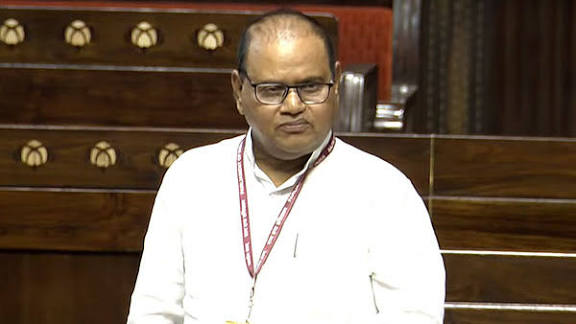
New Delhi: In a shocking move exposing the BJP regime’s deeper majoritarian agenda, party MP Bhim Singh has introduced a private member’s bill in the Rajya Sabha seeking the removal of the words “secular” and “socialist” from India’s Constitution—triggering widespread concerns about the escalating assault on democratic values under the Hindutva-driven dispensation.
According to Kashmir Media Service, Bhim Singh told reporters in New Delhi that the two terms were “unnecessary” and were inserted during the 1976 Emergency without proper parliamentary scrutiny. He claimed the amendment was “undemocratic” as several opposition leaders of the time were jailed, and insisted that the Constitution should be restored to its “original form” as drafted in 1949.
Observers, however, say the timing and intent behind the move reveal a deliberate attempt by the BJP and its ideological affiliates to reshape the country into a majoritarian state by eroding foundational principles that ensure pluralism. They warn that removing “secular” and “socialist” from the Preamble aligns with the Sangh Parivar’s longstanding project to redefine India’s identity along exclusivist Hindutva lines.


Bhim Singh claimed that the terms were inserted for “political reasons”—alleging that “socialist” was meant to please the USSR while “secular” was added to “appease Muslims.” Analysts say this framing echoes the BJP’s persistent campaign to delegitimise safeguards that protect minorities, thereby normalising communal politics and deepening social polarisation.
The Bill raises fears about the BJP’s broader intentions. Critics underline that private member’s bills are often used by the ruling party’s lawmakers to test public response to contentious ideological proposals before moving them through government channels.
Constitutional experts maintain that secularism was always inherent in India’s democratic structure and that the 42nd Amendment merely made explicit what the framers envisioned. They argue that any attempt to dilute these principles endangers the rights of minorities—especially at a time when Muslims, Christians, Sikhs and other groups are facing unprecedented discrimination, violence and political marginalisation across India.
Rights defenders and civil society groups have termed the move a dangerous step toward dismantling the constitutional safeguards that prevent India from sliding into an exclusionary theocratic order. They warn that stripping these terms from the Preamble would embolden extremist elements and further shrink civic space for dissent.