Strong reactions pour in against denial of bail to Umar Khalid, Sharjeel Imam
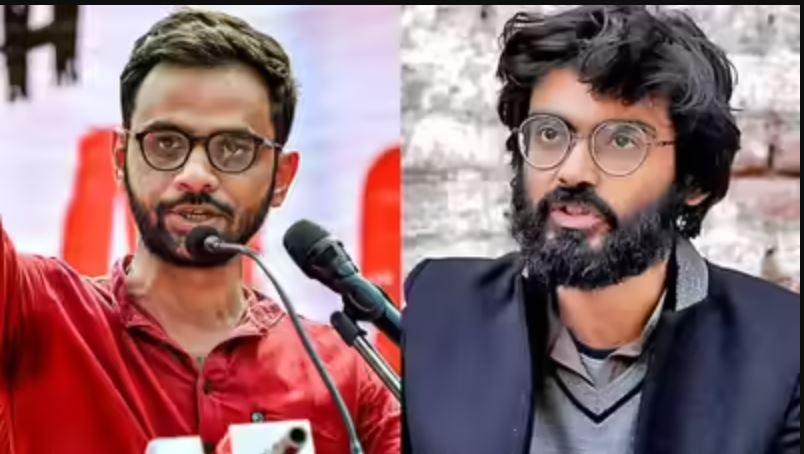
New Delhi: Strong reactions have poured in from opposition parties, civil rights voices and family members following the continued incarceration of activists Umar Khalid and Sharjeel Imam in the February 2020 Delhi riots case, with critics terming the development a blow to constitutional liberties and an example of selective justice in India.
According to Kashmir Media Service, Umar Khalid’s father, S Q R Ilyas, described the situation as “unfortunate,” expressing anguish over his son spending more than five years in jail without the commencement of trial. Family members and close associates said the prolonged detention has taken a severe emotional toll.
Opposition leaders sharply criticised what they called the discriminatory application of law. Communist Party of India-Marxist general secretary M A Baby said keeping activists behind bars for years without trial violates the fundamental right to life and liberty, alleging that such practices enable the BJP-led government’s “repressive approach” towards dissenting voices.
CPI general secretary D Raja said incarceration without adjudication amounts to punishment in itself, warning that under laws like the Unlawful Activities (Prevention) Act, jail has become the norm while liberty has turned into an exception. He said the continued detention exposes a disturbing double standard in India’s criminal justice system.
CPI-M Rajya Sabha member John Brittas highlighted the contrast between undertrial activists languishing in prison and convicted criminals repeatedly securing parole, calling it a stark reflection of selective justice.
Echoing similar concerns, CPI-ML Liberation said the continued denial of relief after years of incarceration represents a “blatant negation” of constitutional values, asserting that the UAPA is being used as a tool to crush political dissent. The party likened the situation to dark chapters in India’s judicial history when courts failed to protect civil liberties.
Rashtriya Janata Dal (RJD) MP Manoj Jha said the prolonged incarceration raises serious questions about the threshold at which constitutional protections are activated, stressing that indefinite detention without trial undermines the rule of law.
Meanwhile, activists and rights defenders on social media described the situation as emblematic of India’s shrinking democratic space, arguing that prolonged pre-trial imprisonment has become a method to silence critics of the government.
Observers maintain that such reactions underline growing national concern over the erosion of civil liberties, the weaponisation of stringent laws like the UAPA, and the deepening crisis of justice for political prisoners in India.