Rising suicides, stress-related deaths expose crisis within Indian armed forces

New Delhi: The recent suicide of an Indian Air Force officer and a series of stress-related deaths among military personnel have highlighted a deepening mental health crisis within the Indian armed forces, with observers blaming poor leadership and institutional neglect.
According to Kashmir Media Servic, Wing Commander Vipul Yadav, 39, ended his life at his residence in Chhattisgarh’s Raipur on March 11. Commissioned into the Indian Air Force in 2010 in the flying branch, Yadav had over 15 years of service and was involved in operations related to anti-Maoist activities, including aerial surveillance and logistical coordination. His body was discovered the following day when a domestic worker found him hanging inside his room.
Media reports in India attributed the incident to domestic issues, a claim critics describe as an attempt to divert attention from mounting stress and systemic issues within the forces.

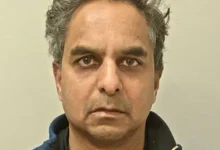
The incident comes amid a growing pattern of suicides within Indian armed and paramilitary forces. On February 27, two personnel of the Central Reserve Police Force (CRPF) shot themselves dead in separate incidents in Srinagar and Shopian districts of Indian Illegally Occupied Jammu and Kashmir.
Identified as Hari Om and Manish, both used their service weapons in the acts.
Official data and independent studies indicate that suicides among Indian forces have remained alarmingly high over the years. Between 2017 and 2022, more than 800 personnel from the Indian Army, Navy and Air Force reportedly died by suicide, while over 700 personnel from Central Armed Police Forces, Assam Rifles and National Security Guard took their own lives between 2020 and 2024.
Experts attribute the trend to operational stress, prolonged deployments in conflict zones, harsh terrain, social isolation, and institutional shortcomings such as poor leadership, lack of welfare mechanisms, and communication gaps within the ranks.
In a related development, Naik Tilak Singh, a non-commissioned officer of the Indian Army, died on March 15 after being found unconscious while on duty in the Krishna Ghati sector along the Line of Control in Poonch district. The suspected cause of death was cardiac arrest, reflecting the intense pressure faced by troops deployed in sensitive areas.
Reports indicate that such stress-related fatalities are not isolated. In recent years, several army personnel, including young officers, have died due to cardiac arrest during active duty. In February 2026, a 22-year-old captain collapsed in Baramulla, while in December 2024, an Assam Rifles personnel died during an operation in Srinagar.
Similar cases have been reported from multiple locations, including Bareilly, Secunderabad and Zirakpur.
Judicial observations have also pointed to the strain on Indian troops. In August 2025, the Punjab and Haryana High Court acknowledged that continuous postings, family separation, irregular sleep, and a “zero-error” work environment place extreme stress on soldiers, contributing to health complications and fatalities.
Analysts say the persistent rise in suicides and sudden deaths within the forces often surpasses combat-related fatalities, underscoring a long-standing mental health and welfare crisis. KMS