Fear psychosis grips India as citizens branded ‘spies’ in sweeping crackdown
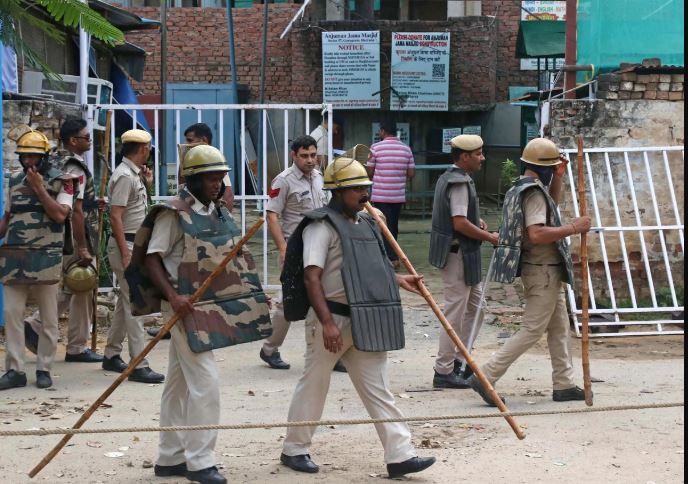
New Delhi: A deepening atmosphere of fear and suspicion is engulfing India, as authorities increasingly label their own citizens as “spies” in what observers describe as an expanding pattern of securitization and internal distrust.
According to Kashmir Media Service, Indian police have arrested three more individuals, including a woman and a minor, in connection with a so-called Pakistan-linked espionage case, taking the total number of detainees to 18, including six minors.
Meera Thakur (28), a resident of Mathura district, and Naushad Ali (20), a resident of Faridabad district of Haryana and originally hailing from Muzaffarpur district of Bihar, were arrested on Sunday. The third suspect is a minor.


Political analysts say the growing number of arrests—often involving youth and marginalized individuals—reflects a troubling trend where ordinary citizens are being swept into sweeping security narratives, reinforcing a climate of fear across the country.
Police claimed that the accused were involved in sharing sensitive information through social media platforms and informal channels, with one suspect allegedly conducting reconnaissance of security installations and railway stations. However, analysts argue that such allegations, frequently publicized without transparent judicial scrutiny, contribute to a narrative that fuels paranoia and paints sections of society as potential threats.
An official, Raj Karan Nayyar, stated that the alleged network was being operated from Pakistan, with local recruits reportedly incentivized through small payments. He further claimed that minors were deliberately targeted for recruitment to avoid suspicion—an assertion that critics say raises serious questions about investigative practices and the protection of vulnerable individuals.
Experts maintain that the recurring portrayal of espionage networks involving common citizens serves broader political objectives, including diverting attention from internal challenges and justifying heightened surveillance and policing. They warn that such actions risk deepening societal divisions and eroding trust between citizens and state institutions.
The case, initially reported on March 13, continues to unfold, with more arrests expected. Observers stress the need for due process and caution against the indiscriminate branding of individuals as security threats, emphasizing that such practices undermine democratic norms and civil liberties.