170 custodial deaths reported in first 74 days of 2026 in India
Victims include Dalits, Adivasis, Muslims and migrant workers

New Delhi: The Indian BJP government has admitted that 170 custodial death cases were reported in the first 74 days of 2026 in India.
According to Kashmir Media Service, India’s Ministry of Home Affairs shared the data in Parliament, based on state-wise information compiled by the National Human Rights Commission, stating that a total of 170 custodial death cases were reported across the country during this period.
The minister said that, according to the figures, there has been a rise in custodial deaths compared to the previous financial year. In 2024–25, 140 cases were recorded, while earlier years saw 157 cases in 2023–24, 163 in 2022–23, and 176 in 2021–22.

State-wise data shows that Bihar reported the highest number of custodial deaths in 2026 so far, with 19 cases, followed by Rajasthan (18) and Uttar Pradesh (15). Punjab, Gujarat, and Maharashtra recorded 14 cases each.
Among southern states, Tamil Nadu reported seven cases, Telangana five, and Karnataka and Kerala three each. In eastern India, West Bengal recorded seven cases, while Odisha reported nine.
In the northeastern region, Assam registered five cases and Arunachal Pradesh three during the period.
Among Union Territories, Delhi recorded four cases, while Andaman and Nicobar Islands and Puducherry reported one case each in 2026.
Overall, the data highlights significant variation across states but indicates an increase in custodial deaths in the current year compared to the previous year.
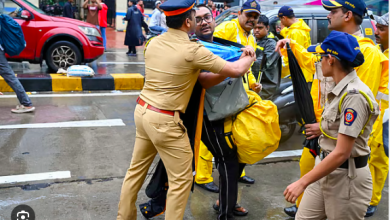
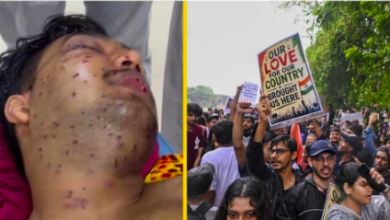
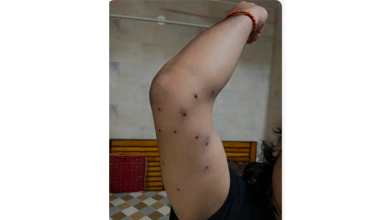
Multiple human rights reports state that Dalits, Adivasis, Muslims, and other marginalized and poor communities are disproportionately affected by custodial violence, torture, and deaths during the BJP regime.
According to the Global Torture Index 2025: India Factsheet, law enforcement officials in India are reported to routinely employ illegal methods, such as beatings and threats, to extract information both before and during arrests.
The misuse of firearms has also led to serious injuries and deaths, disproportionately affecting marginalized communities, including Dalits, Adivasis, Muslims, LGBTQIA+ individuals, migrant workers, and homeless persons.
These groups are said to frequently face severe physical abuse, invasive body searches, and discriminatory policing practices.
The report further highlights the use of unofficial detention sites, such as abandoned buildings, government offices, and hotel rooms, where detainees are allegedly subjected to violence, intimidation, and other forms of ill-treatment to extract forced confessions.
In February, United Nations human rights experts also raised serious concerns over custodial deaths, torture, and extrajudicial killings in India, urging the government to initiate urgent and independent investigations. In a statement, the experts called on the Indian government to probe “alarming allegations” involving hundreds of extrajudicial killings, torture-related deaths, and thousands of injuries attributed to law enforcement agencies.
They also recommended comprehensive reforms to align policing practices with international human rights standards.
“These allegations paint a picture of law enforcement violence that is not sporadic, but systemic,” the experts said, warning that, if proven, such actions would constitute grave violations of the right to life, the absolute prohibition of torture, and the principle of non-discrimination—fundamental norms under international law. The experts further expressed concern that certain policing practices appeared to bypass due process.
“We are deeply troubled that these operations appear to substitute lawful policing and due process with summary violence,” they said, stressing that every incident must be investigated promptly, independently, and transparently.
According to the experts, credible information points to a pattern of excessive and often lethal use of force by Indian police, particularly in BJP-ruled states such as Uttar Pradesh and Assam. This includes “encounter” and “half-encounter” killings, as well as widespread custodial torture.
The statement also highlighted that marginalized communities, including Muslims, Dalits, and Adivasis, have been disproportionately affected by such practices.