Amnesty slams India for demolishing homes, banning books, torturing civilians in IIOJK
London: Amnesty International has raised grave concerns over the state of civic life in Indian illegally occupied Jammu and Kashmir, documenting home demolitions, book bans, custodial torture, and the misuse of counterterrorism laws to silence dissent in its annual human rights report 2025/26.
According to Kashmir Media Service, in its annual human rights report 2025/26, Amnesty International said that following the Pahalgam attack in April 2025, Indian authorities invoked sedition laws and the Unlawful Activities Prevention Act (UAPA) to arrest or file charges against journalists, academics and students who had called for accountability over what they described as a security lapse.
On the issue of book bans, the report said that in August last year, the IIOJK administration banned 25 books authored by respected journalists, historians, feminists and peace scholars, accusing them of “glorifying terrorism and inciting violence.”
The crackdown on media, the report added, extended further in November when the State Investigation Agency raided the office of the Kashmir Times newspaper, run by journalist Anuradha Bhasin, following a car bomb attack in Delhi, alleging the publication threatened India’s sovereignty. It noted that no formal complaint was provided to the paper’s editor, while a book she had written had been banned three months earlier.
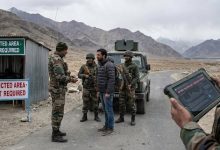

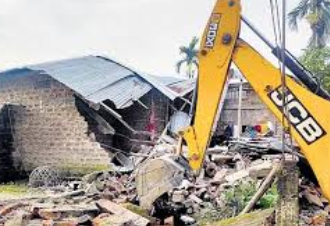
Amnesty International said demolitions of civilian homes continued as a form of “collective and arbitrary punishment” in defiance of Indian Supreme Court guidelines. On November 14, it noted, Indian forces demolished the family home of the “main suspect” in the Delhi Red Fort bombing in the town of Pulwama without warning, while his parents and other family members were inside and evacuated moments before the structure was brought down.
In another case, on November 27, the Jammu Development Authority demolished the family home of journalist Arfaz Daing weeks after he had exposed a “cross-border drug trafficking racket linked to a police officer”.
The report further said that the UN High Commissioner for Human Rights had specifically highlighted concerns over shrinking civic space in occupied Jammu and Kashmir in March, but these concerns were dismissed by the Indian government.
It also documented the death of 25-year-old Makhan Din, who died by suicide in February after being tortured by police in Kathua distirct for having “suspicious contacts in Pakistan and other foreigner countries”.
It is pertinent to mention here that Makhan Din, a Gujjar-Bakarwal resident of Billawar in Kathua, reportedly took his own life after being released from custody and instructed to return to the police station the following day. Before his death, he recorded a video detailing his ordeal, repeatedly asserting his innocence and saying that police pressured him to confess to being a militant sympathizer.