Caste violence in India: Dalit groom dragged off horse and assaulted in Madhya Pradesh
Bhopal: In yet another incident of caste-based violence in Modi’s India, a physically disabled Dalit groom was dragged off a horse and assaulted in Madhya Pradesh after upper caste Hindus objected to his wedding procession.
According to Kashmir Media Service, the incident occurred in Damoh when a group of upper-caste Hindu men objected to the 23-year-old groom Golu Ahirwar riding through the village during the traditional “Rachwai” ritual. The confrontation escalated after a narrow lane was blocked, leading to a violent altercation.
Witnesses said the groom, who is physically challenged, was pulled down from the horse and beaten with sticks and clubs. Several members of the wedding party were also attacked, while jewellery was snatched when family members attempted to intervene.

His mother, Vidya Ahirwar, told media men that the group had warned them against taking out the procession and turned violent when they refused, adding that her daughter was also assaulted and lost gold jewellery during the incident. His sister, Manisha Ahirwar, said that the attackers made casteist remarks, saying such processions were “not meant for people like us,” before assaulting the family and snatching her jewellery when she tried to intervene.
Following the incident, the family approached the local police station and lodged a complaint. Police said efforts are underway to identify and arrest the accused.
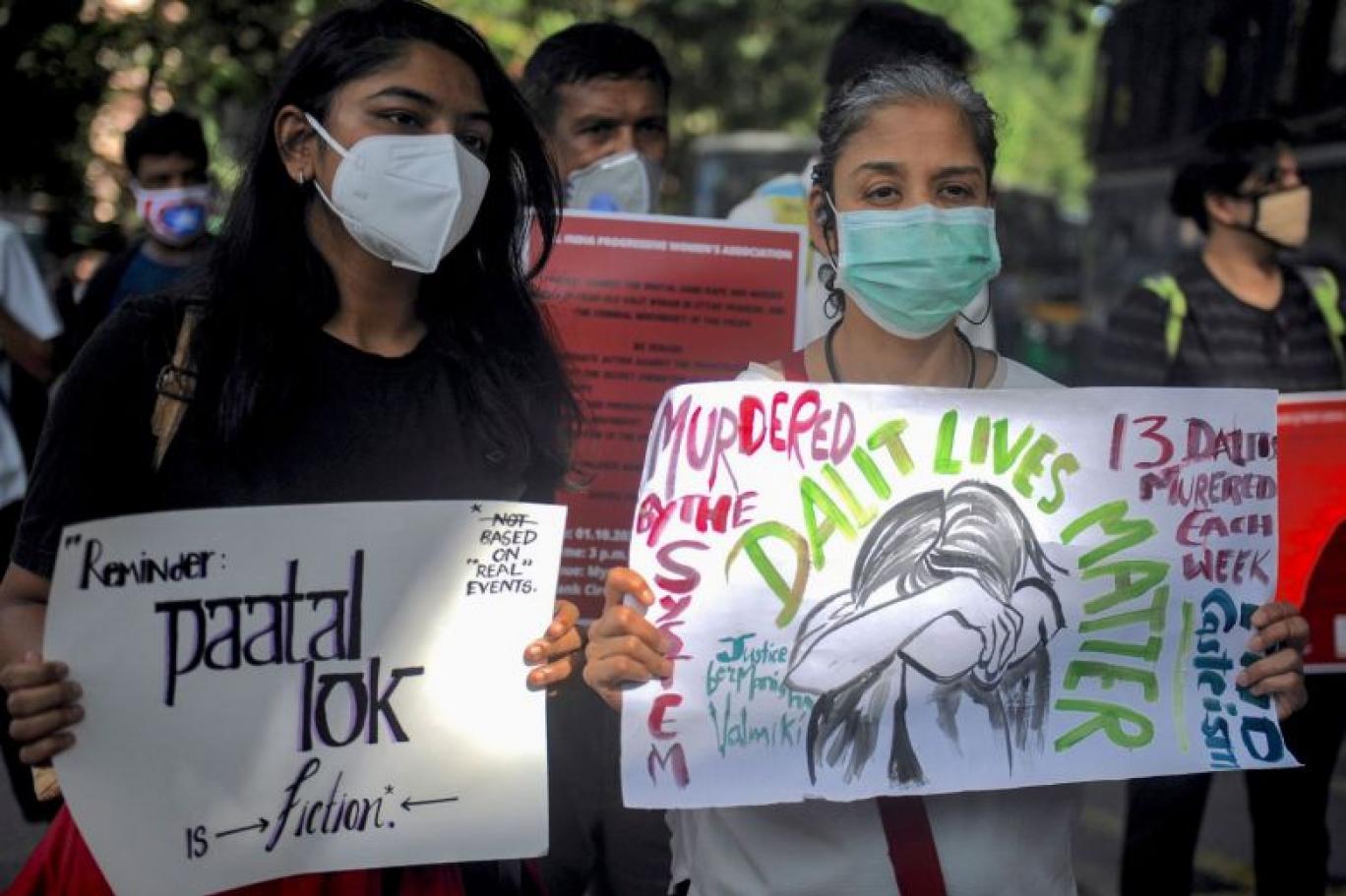
Incidents of attacks on Dalit wedding processions continue to be reported across India, highlighting the persistence of caste-based discrimination despite constitutional and legal safeguards. Such violence is often triggered by symbolic assertions of dignity—such as a Dalit groom riding a horse, playing music, or passing through dominant-caste localities—actions that challenge entrenched social hierarchies. While police often register cases, victims frequently complain of delays in justice or pressure to settle.
These recurring episodes reflect the persistence of deep-rooted caste hierarchies despite constitutional protections and legal safeguards.