Namaz row in Uttar Pradesh office exposes deepening anti-Muslim bias in India
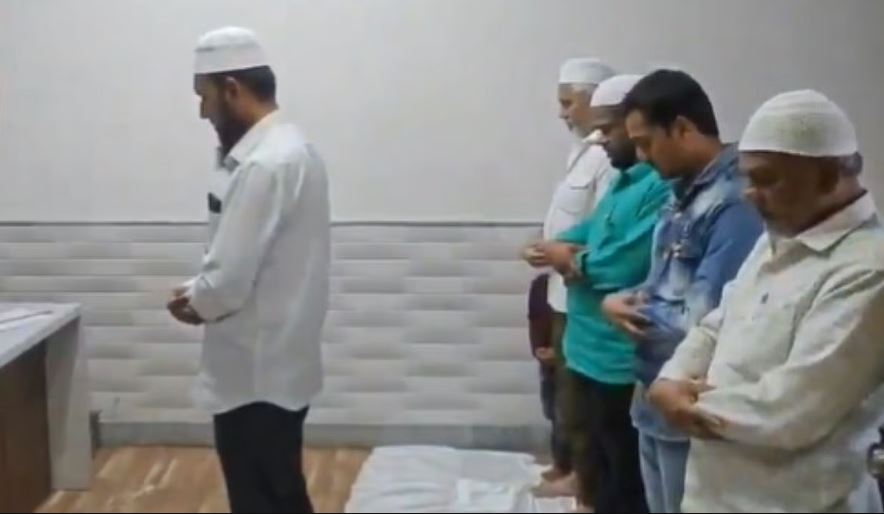
Lucknow: In a fresh incident underscoring growing concerns over anti-Muslim bias and selective enforcement in BJP-ruled Uttar Pradesh, an elderly Muslim man offering prayers inside a government office has triggered outrage and calls for action, intensifying debate over the treatment of Islamic practices in Modi’s India.
According to Kashmir Media Service, the episode took place in Mathura district, where the man was filmed performing namaz (Islamic prayer) inside a tehsil office during working hours. The video quickly circulated online, prompting protests from lawyers and local Hindutva groups, who argued that government premises should not be used for religious activities.
However, the reaction has drawn attention to what analysts describe as a pattern of selective enforcement, where Muslim religious practices face immediate backlash while Hindu symbols and rituals remain widely visible and accepted within state institutions.
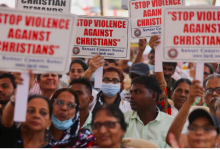
Lawyers present at the site demanded administrative action, insisting that government buildings are meant strictly for official use. Some also cited concerns over the location of the prayer within the premises.
Observers, however, point out that temples, idols, and images of Hindu deities are commonly found in government offices across India — often within official spaces without attracting similar objections or legal scrutiny.
“This reflects a clear asymmetry,” analysts note, arguing that public expressions of Islamic identity are increasingly framed as violations, while majoritarian religious presence within state structures is normalized.
The controversy comes amid a broader climate in which Muslim religious practices — from public prayers to food habits — have been subject to restrictions, protests, or legal action in several parts of India.
For many, the incident goes beyond a single act of worship, highlighting a deeper trend where even quiet, individual expressions of Muslim faith in public spaces are increasingly treated as contentious, while dominant religious symbols within state institutions continue to go unquestioned.