Khalistan movement reflects Sikh community’s long struggle for self-determination, justice
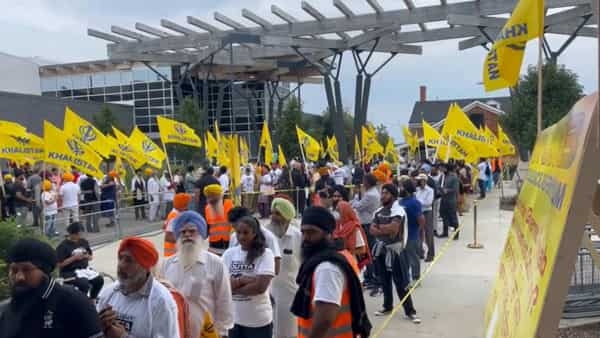
Amritsar: The Khalistan movement continues to symbolize the Sikh community’s decades-long struggle for self-determination, sovereignty, and the protection of its religious, political, and cultural identity in its historical homeland of Punjab.
The Khalistan movement continues to symbolize the Sikh nation’s decades-long struggle for self-determination, sovereignty, and the protection of its religious, political, and cultural identity in its historical homeland of Punjab.
According to Kashmir Media Service, the movement emerged from longstanding Sikh demands for independence dating back to the 1930s and gained momentum during the Dharam Yudh Morcha in the early 1980s, as Sikhs sought safeguards against New Delhi’s centralizing and discriminatory policies.
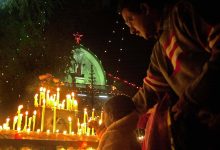
A defining moment in Sikh history came between June 1 and 10, 1984, when the Indian army launched Operation Blue Star, a full-scale military assault on the Golden Temple, Harmandir Sahib, the holiest shrine of Sikhism. While official figures claimed 493 deaths, independent estimates and eyewitness accounts suggested that several thousand civilians and pilgrims were killed in the attack.
The assault deeply wounded Sikh sentiments worldwide and marked a turning point in the freedom struggle.
India subsequently began portraying the Sikh freedom movement as “terrorism” to justify large-scale repression and the denial of fundamental rights. Following the assassination of then Indian Prime Minister Indira Gandhi on October 31, 1984, orchestrated anti-Sikh pogroms erupted across India, killing an estimated 8,000 to 17,000 Sikhs and displacing thousands more.
During the insurgency in Punjab in the 1980s and 1990s, Indian troops and police unleashed a brutal campaign of state terrorism involving extrajudicial killings, fake encounters, torture, and enforced disappearances. Human rights reports documented the illegal cremation of over 2,000 unidentified bodies in Amritsar alone, while the overall number of Sikh victims ran into the tens of thousands. Reports also indicated that Punjab Police received more than 41,000 bounties for so-called “encounters” between 1991 and 1993.
Observers said the pattern of Indian state-sponsored terrorism has expanded beyond its borders, targeting Sikh separatist voices abroad. They pointed to allegations that proxies such as the Lawrence Bishnoi gang have been used to intimidate or eliminate Khalistan supporters in the diaspora.
Canadian authorities have reportedly designated the Bishnoi group a terrorist entity and alleged links to Indian agents in connection with the assassinations of Khalistan supporters and activists overseas.
Despite decades of brutal repression, massacres, and systematic victimisation, the Sikh freedom struggle for Khalistan continues as a symbol of resilience and resistance against Indian occupation and atrocities.