Kirthai-II project threatens forests, livelihoods, fragile ecosystem in Kishtwar
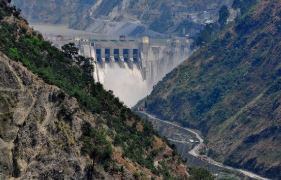
Srinagar: The proposed Kirthai Stage-II Hydroelectric Project on the Chenab River in Kishtwar district of Indian illegally occupied Jammu and Kashmir has raised serious environmental concerns, as it is set to destroy vast forest resources, threaten wildlife habitats and adversely affect the livelihoods of hundreds of families.
According to Kashmir Media Service, the project will require the diversion of nearly 197 hectares of forest land and the felling of more than 8,700 trees. The move is part of New Delhi’s accelerated push for hydropower projects in the Indus basin following its decision to place the Indus Waters Treaty in abeyance.
A site-inspection report reviewed by the Forest Advisory Committee warned that large-scale tree felling would severely damage the local ecosystem by increasing surface run-off, soil erosion and the risk of landslides in the ecologically sensitive Himalayan region. The report noted that extensive loss of forest cover would further weaken environmental stability in an area already vulnerable to natural disasters.

Particularly alarming is the anticipated destruction of large numbers of chilgoza pine trees that serves as an important source of income for local communities. Studies have shown that collection of chilgoza nuts contributes significantly to the livelihoods of villagers in Kishtwar’s Paddar area.
The report also highlighted the presence of endangered wildlife species, including the Asiatic ibex, within the proposed diversion area. Environmental observers fear that construction activities and habitat destruction could further threaten the survival of these species and disturb the region’s biodiversity.
In addition to the ecological damage, the project is expected to affect around 446 families, raising concerns over displacement, loss of livelihoods and disruption of traditional ways of life.
The project, critics say, reflects New Delhi’s continued pursuit of large-scale infrastructure schemes in occupied Jammu and Kashmir without adequately addressing their environmental and social consequences. They warn that the fragile ecology of the region is being sacrificed in the name of development, with local communities bearing the burden of the resulting environmental degradation.