India using drugs to crush Sikh, Kashmiri movements: Analysts
Study exposes rising drug abuse among Srinagar students
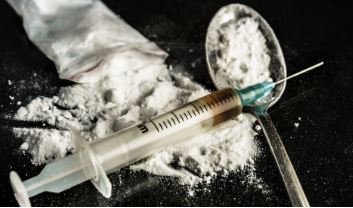
Srinagar : In Indian illegally occupied Jammu and Kashmir, a comprehensive study by the District Institute of Educational Research and Training (DIET), Srinagar, has flagged alarming levels of drug and substance abuse among secondary and higher secondary students in the district.
According to Kashmir Media Service, the study titled “Drug and Substance Abuse in Secondary and Higher Secondary School Students of District Srinagar – An Empirical Study for Prevention and Intervention” surveyed 3,100 students from Classes 9 to 12 across 20 schools.
Researchers found that 46% of secondary and 68% of higher secondary boys, and 38% of secondary and 43% of higher secondary girls identified peer pressure as the primary reason for drug use.

Curiosity, thrill-seeking, emotional stress and academic pressure were also cited as key factors. Tobacco products, including cigarettes, emerged as the most abused substance, followed by morphine, opium and bhang.
While only a small proportion admitted personal use, 25-27% of boys and 5.8-12% of girls reported knowing other students involved in substance abuse. The study also exposed a massive awareness gap: 69% of boys and 74% of girls said they were unaware of any organization providing treatment, counselling or rehabilitation for addiction.
Observers and political analysts note a disturbing pattern. First, Sikhs in Punjab were targeted through drugs and social disintegration to weaken the Khalistan movement. Now, Kashmiri youth are facing a similar engineered crisis as Indian authorities push drug infiltration to weaken the Kashmiri freedom movement. The study itself acknowledges drug abuse has emerged as a major social challenge despite efforts by parents, teachers and religious leaders to curb the menace.
Researchers have called for integrating drug awareness into school curricula, strengthening counselling, and launching sustained campaigns.
Critics argue that without addressing the underlying political repression, unemployment and psychological trauma caused by decades of occupation, school-based interventions alone cannot stop Indian agencies from using narcotics as a tool to destroy the future generation of Kashmir.