India’s student protest movement spreads nationwide, pressure mounts on Modi govt
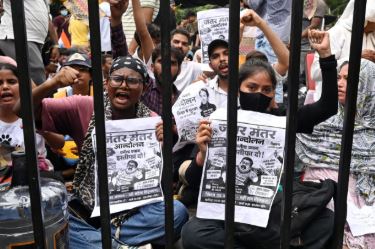
New Delhi : The Cockroach Janta Party (CJP)-led student movement continued to gather momentum across India, with protests spreading to several major cities as demonstrators intensified their demand for accountability over examination scandals and comprehensive reforms to the country’s education system.
According to Kashmir Media Service, thousands of protesters assembled once again at Jantar Mantar in New Delhi, where the month-long agitation has emerged as one of the biggest youth-led movements against Indian Prime Minister Narendra Modi’s government since it came to power in 2014. Protesters raised slogans demanding the resignation of Indian Education Minister Dharmendra Pradhan and justice for students affected by the NEET paper leak and other examination irregularities.
The movement expanded well beyond the Indian capital, with solidarity protests and rallies held in Mumbai, Bengaluru, Kolkata, Goa, Guwahati, Thiruvananthapuram, Ahmedabad and other Indian cities as well as in Jammu in Indian illegally occupied Jammu and Kashmir (IIOJK). In Patna, police resorted to tear gas and water cannons to disperse protesters demanding Pradhan’s resignation.

The protests also resonated inside the Indian Parliament, where opposition parties led by Congress leader Rahul Gandhi demanded a debate on the NEET controversy and the police crackdown on student protesters. Their protests disrupted parliamentary proceedings, forcing repeated adjournments.
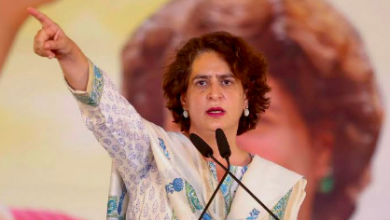
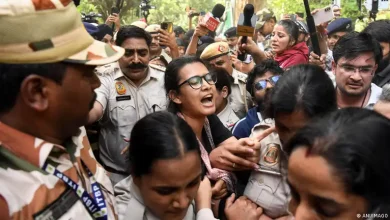
A day earlier, Rahul Gandhi, Priyanka Gandhi Vadra and several senior opposition leaders were detained after staging a sit-in outside the official residence of Indian Prime Minister Narendra Modi to protest the police action against students.
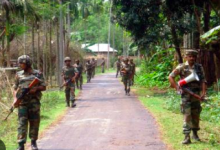
Security remained on high alert in New Delhi, with the Delhi Metro Rail Corporation keeping 16 metro stations in central Delhi closed as authorities attempted to contain the expanding movement.
Human rights organizations also voiced concern over the police response. Amnesty International questioned the “legality, necessity and proportionality” of the use of force against peaceful protesters during Monday’s crackdown.
The CJP-led movement, which began over the leak of the NEET-UG medical entrance examination affecting more than two million candidates, has since evolved into a nationwide campaign demanding transparency, accountability and sweeping reforms in India’s education system. The movement gained further momentum after Ladakhi activist Sonam Wangchuk launched a hunger strike in support of the students. Wangchuk has said he would end his fast only after receiving assurances that no legal action would be taken against students participating in the protests.