India’s narrative of judicial independence, inclusive development challenged at UNHRC
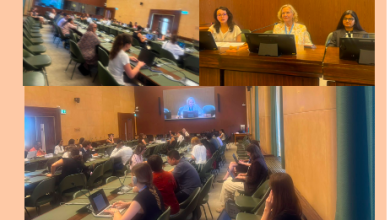
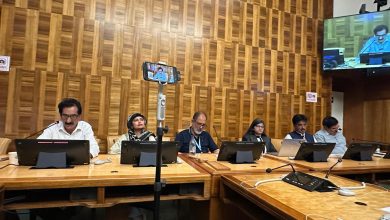
 Geneva: India’s assertions of judicial independence and inclusive socio-economic development came under scrutiny during the 62nd Session of the United Nations Human Rights Council (UNHRC), as concerns over judicial impartiality, shrinking civic space and the situation in Indian illegally occupied Jammu and Kashmir (IIOJK) continued to draw international attention.
According to Kashmir Media Service, the Indian delegation portrayed the country’s judiciary as fully independent, claiming that the Constitution guarantees judicial autonomy, the Supreme Court protects judicial independence as part of the Constitution’s “basic structure”, and the collegium system ensures merit-based judicial appointments free from political interference.
India also highlighted what it described as robust poverty alleviation measures, stating that social protection coverage has more than tripled over the past decade, direct benefit transfers (DBTs) have eliminated leakages, and targeted welfare programmes are supporting historically disadvantaged communities while addressing inequality.
However, India’s narrative on judicial independence stood in contrast to persistent international criticism over concerns regarding judicial impartiality, shrinking civic space and political influence over key institutions.
During the session, India’s claims of inclusive socio-economic development were also challenged when the United Villages NGO highlighted that developments in Indian illegally occupied Jammu and Kashmir since 5 August 2019 had undermined socio-economic stability in the territory.
The NGO stated that educational institutions in IIOJK had been disrupted, restricting access to education for thousands of students, particularly in rural areas, and contradicting India’s claims of development and welfare.
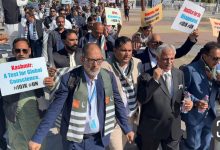
Meanwhile, human rights concerns in IIOJK remained visible on the sidelines of the UNHRC session as members of the Kashmiri diaspora in Europe organised a Tent Exhibition and Poster Display at the Broken Chair in Geneva, drawing international attention to human rights violations in the occupied territory.
Observers said the continued presence of civil society advocacy on IIOJK at the UNHRC demonstrated that the Kashmir dispute remains an active international human rights issue despite India’s efforts to portray post-2019 developments in the territory as normal and successful.