73 lakh Telangana voters excluded from draft rolls in massive SIR exercise
92 lakh electors to receive notices amid concerns over verification, voter rights
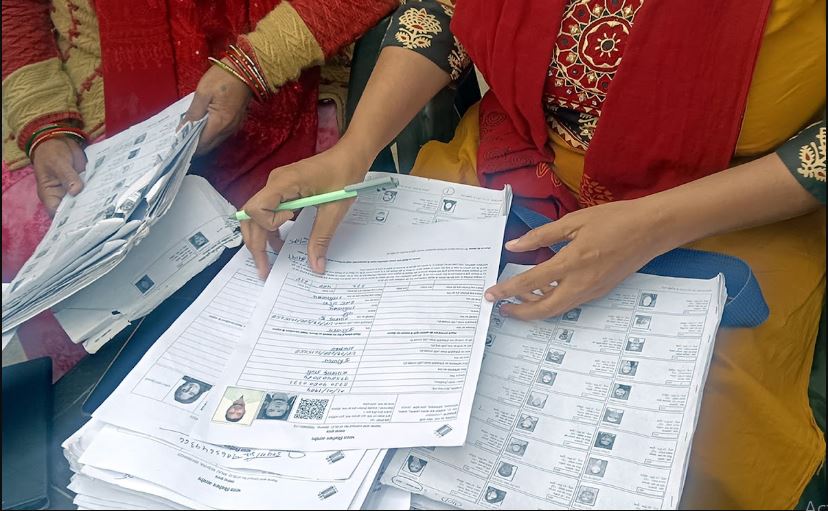
Hyderabad: More than 73 lakh voters have been excluded from Telangana’s draft electoral rolls during the Election Commission of India’s Special Intensive Revision, raising concerns over the scale of the exercise and the potential impact on citizens’ voting rights.
According to Kashmir Media Service, the draft rolls published on August 17 show that out of 3.38 crore registered electors, 73,39,235 have been categorised as ASDS — absent, shifted, dead or duplicate. The excluded people include 57.46 lakh voters who were either reported absent or had permanently shifted, 9.22 lakh voters identified as deceased, and 6.70 lakh voters whose names were found enrolled at more than one location.
Another 92 lakh electors will receive notices over discrepancies detected during the verification process. These include around 60 lakh voters whose own names or their family members’ details contain inconsistencies, including differences in age, while 32 lakh electors have been classified as “unmapped” because their details could not be linked to the 2002 electoral rolls.

The Election Commission says the purpose of the SIR is to ensure that eligible citizens remain on the rolls while removing entries belonging to deceased persons, duplicates and people who have permanently shifted elsewhere. However, the scale of exclusions has generated concerns because genuine voters who were temporarily absent, had moved for work or other reasons, could not be contacted by Booth Level Officers, failed to return enumeration forms or could not establish a link with older electoral records may also find their names missing from the draft list.
Election officials said the remaining 73.39 lakh voters were not found during door-to-door verification or did not submit their enumeration forms by August 10. Some had reportedly become electors in other states or Union territories, while others were not found in existence or did not submit forms for various reasons.
Earlier in Telangana, political representatives had raised concerns over procedural shortcomings, inadequate verification time and the need for greater transparency during the exercise.
The use of the 2002 electoral rolls as a reference point is particularly significant because voters whose present details cannot be mapped to those records may have to respond to notices and complete additional formalities. The ECI has said genuine electors will have an opportunity to restore their names during the claims and objections process.
The massive exercise has therefore placed the onus on millions of affected electors to establish their eligibility, making transparent procedures, accessible documentation requirements and effective grievance mechanisms crucial to ensuring that genuine voters are not disenfranchised.
Political observers in Telangana have alleged that the segments most affected by the exclusions are non-Hindus, mostly Muslims, and termed the SIR part of the BJP’s ongoing overall drive to purge India of non-Hindus, beginning first with their removal from voter lists.