Indian military, paramilitary forces use rape as weapon of war in IIOJK: IMWU
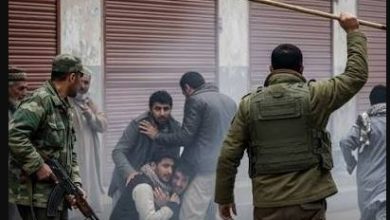
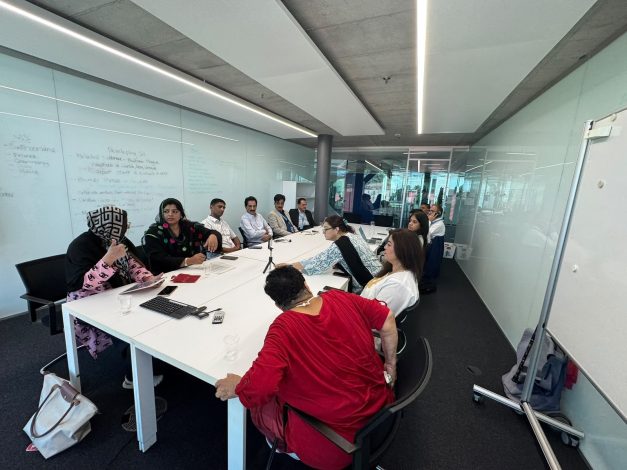 Geneva: The International Muslim Women’s Union (IMWU) has said that Indian military and paramilitary forces use rape as a weapon of war in Indian illegally occupied Jammu and Kashmir (IIOJK):
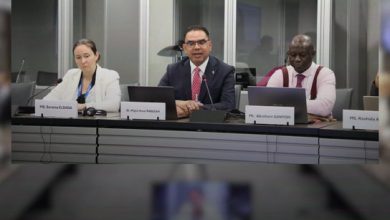
According to Kashmir Media Service, IMWU convened a high-level side event during the 63rd session of the United Nations Human Rights Council at the Geneva Centre for Security Policy (GCSP) to demand urgent reparations and accountability for survivors of conflict-related sexual violence (CRSV).
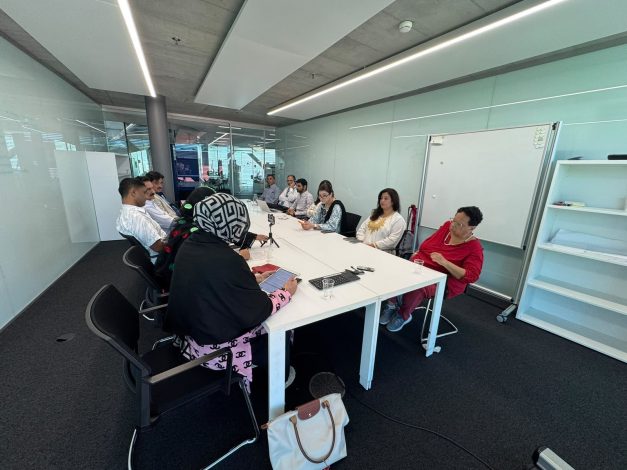 The event focused on how comprehensive reparations frameworks can address the specific needs of CRSV survivors to restore their dignity, agency, and access to justice. Panelists emphasized that CRSV inflicts enduring physical, psychological, social, and economic harm, leaving many survivors without formal recognition or meaningful legal remedies.
Panelists highlighted harrowing cases from Kunan-Poshpora, Shopian, and other localities, asserting that survivors of mass and gang rape have been systematically denied justice.

Citing reports that estimate nearly 11,000 women in the region have faced sexual assaults—with approximately 52 percent of women in affected communities suffering from severe psychological trauma—the IMWU characterized the situation as a widespread crisis requiring immediate international attention, independent investigations, and survivor-centered redress.
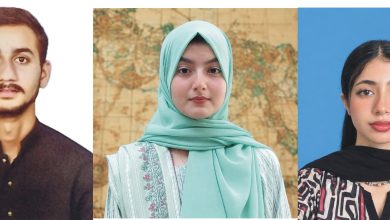
The event featured a diverse panel of experts and advocates, including Shamim Shawl, IMWU representative to Geneva, who framed reparations as both a legal and moral imperative, urging UN mechanisms to prioritize remedies centered on the survivor, Dr. Shugafta Ashraf, Professor at the University of Kotli, Azad Kashmir, who provided sociological and community-based analysis on the long-term impacts of CRSV in Kashmir, Sajjad Ali, LLM student at the University of Geneva, who analyzed existing legal gaps and the necessity for robust international and domestic accountability mechanisms, Mehrunnisa Rehman, who presented a comprehensive research paper detailing the systemic nature of these abuses and the legal pathways to justice, Julie Ward, former member of the European Parliament, who lent her political expertise to the call for international oversight and human rights adherence and Sonbia Shawl, who also addressed the assembly, contributing to the collective demand for justice and visibility for the victims.
The panelists recommended the adoption of a comprehensive reparations framework encompassing financial compensation, medical rehabilitation, psychosocial support, legal remedies, and guarantees of non-recurrence. They emphasized that any such framework must be culturally appropriate and predicated on independent investigations into alleged abuses.
“Reparations are not charity — they are recognition and a pathway to healing,” stated Shamim Shawl.
The IMWU and the assembled speakers called upon the Human Rights Council, member states, and international bodies to take decisive action to ensure accountability, investigate allegations in Indian illegally occupied Jammu and Kashmir, and guarantee enforceable reparations for all survivors. KMS—17A