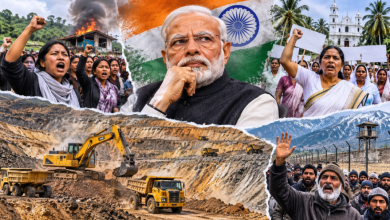
2,166 Muslim properties face demolition, eviction in India in September alone
Critics see wider Hindutva agenda behind official action against mosques
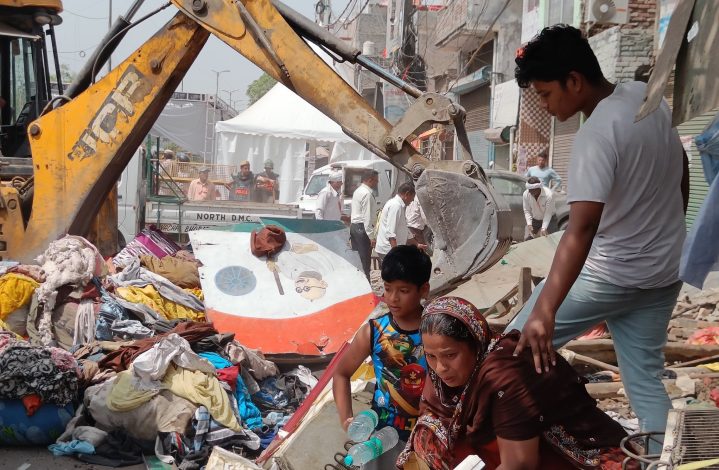
New Delhi: A series of demolition and eviction drives affecting Muslim homes, mosques and community properties across India has intensified concerns over the protection of religious heritage and minority rights, with critics linking the developments to the broader political climate under the Bharatiya Janata Party (BJP)-led government.
Authorities generally justify such actions on grounds including road expansion, alleged encroachments, unauthorised construction and occupation of public, forest or protected land. Critics, however, argue that the cumulative impact of such measures warrants closer scrutiny, particularly where historic Muslim religious structures and communities are affected.
A September 2026 compilation based on government statements, court records, media reports and documented cases identified 2,166 reported instances, structures or aggregate figures involving Muslim mosques, madrasas, shrines and community properties affected by demolition, removal or eviction measures between 2020 and 2026. The compilation itself cautions that the figure does not represent 2,166 independently verified demolitions, as it combines individual cases, partial demolitions and aggregate figures that may overlap.

In Assam, around 1,200 homes belonging to Bengali-speaking Muslim families were demolished in January during an eviction drive in Sonitpur. The state government said the operation targeted alleged encroachments on land within the Burhachapori Wildlife Sanctuary.
Another eviction drive near Guwahati airport in March reportedly affected hundreds of Muslim families, with authorities citing alleged encroachment on land classified as a tribal belt.
The highhandedness has also reached historic places of worship. In Ujjain, Madhya Pradesh, tensions erupted on September 28 over the removal of a portion of the historic Shahi Masjid as part of a road-widening project linked to preparations for the 2028 Simhastha Kumbh. Police used tear gas as clashes were reported between residents and security personnel. The Madhya Pradesh High Court subsequently disposed of appeals after the Muslim side informed the court that a settlement had been reached with the Ujjain Municipal Corporation.
The Ujjain case has nevertheless intensified concerns over the preservation of historic Muslim religious sites. The Madhya Pradesh High Court had earlier upheld the partial removal of the mosque, noting the administration’s position that the road-widening project was being undertaken in the public interest. The court also recorded that portions of other religious structures along the road had been removed as part of the project.
The developments have attracted international scrutiny as well. The United States Commission on International Religious Freedom (USCIRF), in its 2026 Annual Report, continued to recommend India as a Country of Particular Concern and documented concerns over religious-freedom conditions, including actions affecting houses of worship and religious minorities.
USCIRF said religious-freedom conditions in India had continued to deteriorate and identified policies and practices that it considers discriminatory toward religious minorities.
Critics argue that the recurring controversies over Muslim properties cannot be viewed only as isolated municipal or administrative disputes and should also be examined against the wider ideological environment shaped by Hindutva politics. They contend that repeated actions involving Muslim religious sites and properties can deepen insecurity among Muslims and raise questions about equal protection of minority rights and religious freedom.
The BJP-led governments and state authorities, however, maintain that demolition and eviction operations are directed at illegal construction, encroachments or unauthorised occupation and are not based on religious identity. The competing explanations have made due process, equal application of law and the protection of religious and cultural heritage central to the debate.
Taken together, the cases have placed renewed focus on whether development, land administration and encroachment-removal policies are being implemented with adequate safeguards for historic religious sites and minority communities. For critics, the larger concern is that the cumulative effect of such measures may contribute to the erosion of Muslim religious and cultural heritage; authorities, meanwhile, maintain that the actions are undertaken under applicable laws and for stated administrative or development purposes.