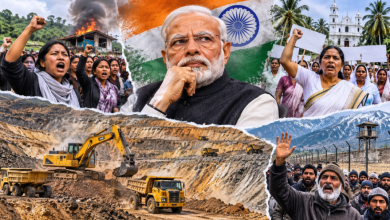
Owaisi raises alarm over India’s religion-wise demographic data collection
Warns data exercise could be used to target Muslims and erode their rights
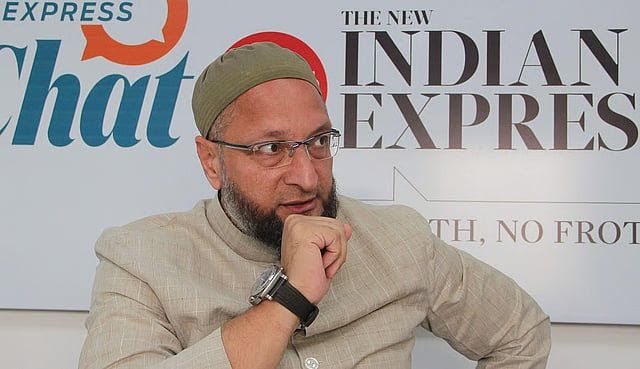 New Delhi: AIMIM President and Indian parliament member from Hyderabad, Asaduddin Owaisi, has raised serious concerns over the BJP-led Indian government’s collection of religion-wise demographic and socio-economic data, saying that the exercise could be used to target Muslims and further erode their rights.
Owaisi made the remarks in a post on X while reacting to media reports that the High-Level Committee on Demographic Changes (HLCDC) had sought religion-wise data from Indian states on vehicle registrations, property transactions and other demographic indicators.
“When we demanded of the Modi government that it gather data on the educational, social, and economic conditions of Muslims, the government would instantly turn its face away. Amit Shah’s “Demography Commission” is now asking states for data on how many vehicles people of which religion have bought, how much land they own, and so on,” Owaisi said.
“The agenda of this commission is not to formulate better policies based on the foundation of data, but rather to twist and distort the data in such a way that Muslims can be targeted and even their remaining scraps of rights can be snatched away from them,” he said.


The High-Level Committee has reportedly sought religion-wise data for the past 15 years on birth, vehicle registrations, school enrolment and property transactions, as well as district-wise details of religious structures and unusual increases in Aadhaar, voter ID and ration card registrations.
The HLCDC has also reportedly sought intelligence assessments and commission reports on religious conversions among Scheduled Tribe communities, and details of operational detention centres, among other information.
The Indian Ministry of Home Affairs constituted the HLCDC on May 26 under trhe chairmanship of retired Supreme Court judge Justice Prakash Prabhakar Naolekar. The committee was tasked with studying demographic changes attributed to illegal immigration and other factors and recommending measures to deal with these changes.
Owaisi’s remarks have brought renewed attention to concerns over the collection and potential use of religion-based demographic data, particularly its implications for India’s Muslim minority.