Free Speech Collective seeks contempt action over journalists’ detentions in Delhi
Delhi govt, Home Ministry and police obstructed journalists despite SC directions: Plea
New Delhi: The Free Speech Collective, an Indian advocacy network, has approached the country’s Supreme Court, seeking contempt proceedings against the Delhi government, the Indian Home Ministry and Delhi police over violations of the court’s directions to allow journalists to cover protests against Chief Election Commissioner Gyanesh Kumar and the Special Intensive Revision (SIR) of electoral rolls without obstruction.
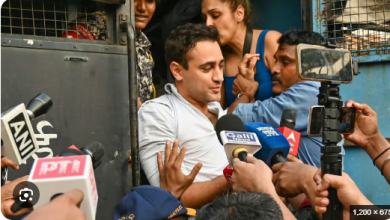
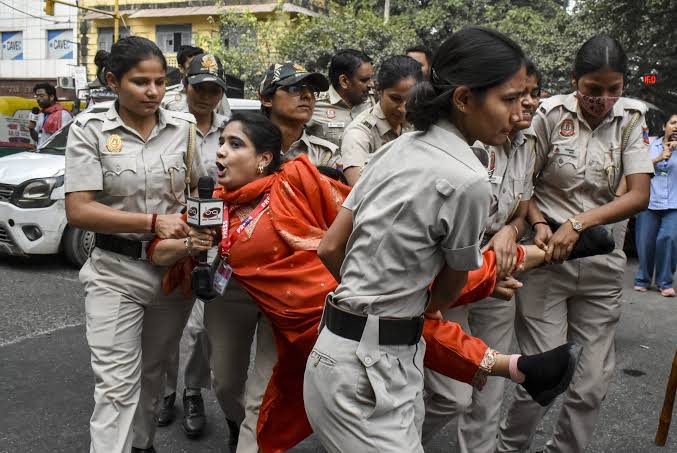
According to Kashmir Media Service, the plea was filed on Monday after journalists were seen being dragged by the neck, shoved into buses for no apparent reason, stopped from doing their work and ignored when they showed their work IDs. These events unfolded during a protest called by the Cockroach Janta Party (CJP) and Left-wing organizations on Sunday.
“This court had directed [on October 10] that lawyers, journalists and other professionals ‘shall not be hindered in discharge of their professional duties’,” the petition stated. It added that Delhi Police personnel still “detained, removed and otherwise obstructed journalists reporting from many locations across Delhi”.

The petition urged the Supreme Court to initiate contempt proceedings against the Delhi government, Indian Home Ministry and Delhi Police for the alleged disobedience of its directions.
The Free Speech Collective cited reports involving journalists from several news outlets, saying they had been “detained while engaged in reporting, and prevented from documenting police action”.
Supreme Court’s earlier orders
On October 11, the Supreme Court held a special hearing on a separate batch of petitions, including one related to contempt by the authorities responsible for managing the protests in the Indian capital. It issued notices to the authorities in that contempt case on the grounds that Delhi Police and certain civilian officials had disregarded its October 9 order restricting authorities to impose reasonable limitations on movement and communications in the city.
On October 9, the court had ruled that essential public transport could not be barred in an “overreaching” manner and that there could be no outright prohibition upon Delhi Metro services.
On October 10, another petition was filed alleging non-compliance with that order and widespread detentions of protesters, passers-by and journalists. It also sought directions for the police to produce before the court those detained.
“Journalists reporting the protests were also reportedly treated with violence, removed and detained by the police notwithstanding the display of press identification,” the petition said.
Citing published news reports, the petition further pointed out that journalists associated with several established and newer media outlets had been manhandled and abused in different ways while covering the protest on Sunday.