IIOJK witnessed high injustice, atrocities in last 7 years: Report
Political marginalisation, demographic concerns, economic distress deepen
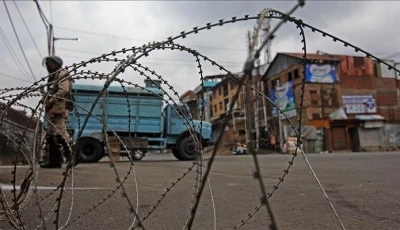
Islamabad: A fresh report has highlighted mounting concerns over rights and identity in Indian illegally occupied Jammu and Kashmir.
The report released by Kashmir Media Service stated that the territory has witnessed heightened injustice and atrocities over the last seven years with deepening political marginalisation, demographic concerns and economic distress.
The report examines developments since New Delhi revoked the territory’s special status in August 2019. The report cites political marginalisation, restrictions on dissent and economic hardship. It also raises concerns over demographic changes and the erosion of Kashmiri identity.
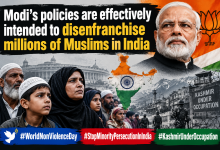

The report says the 2019 decision transformed the region’s political and constitutional landscape. It says Jammu and Kashmir was divided into two Union Territories. These are Jammu and Kashmir and Ladakh. The report argues that subsequent policies have weakened local political representation. It also alleges growing pressure on the region’s distinct cultural and religious identity.
Political rights and civil liberties under pressure
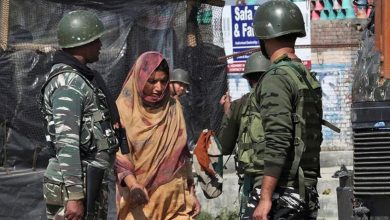
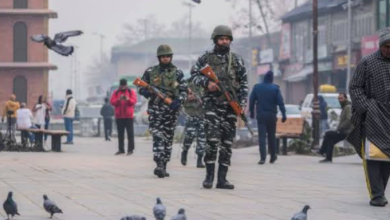
The report says restrictions and security operations continue to affect daily life. It cites cordon-and-search operations, house raids and restrictions on free expression. It also raises concerns over action against journalists and human rights activists. The report describes these measures as part of a wider pattern of repression.
It estimates that over 3,500 political prisoners remain detained. They reportedly include political leaders, youth, women and activists. Many are held in jails, interrogation centres and detention facilities. The report cites the Public Safety Act (PSA) and the Unlawful Activities (Prevention) Act (UAPA).
It alleges these laws are used to suppress political activism. It also raises concerns over prolonged detention without adequate safeguards. The report calls for greater scrutiny of detention practices and due process.
Delimitation raises concerns over political representation
The report argues that the delimitation exercise altered the region’s political landscape. It alleges that the process disadvantaged the Muslim-majority Kashmir Valley. It says the distribution of additional Assembly seats deepened concerns over representation.
Chief Minister Omar Abdullah has criticised the delimitation exercise. He alleges that it benefited the Bharatiya Janata Party (BJP). Seven Assembly seats were added, six of which the BJP won. Abdullah has also questioned the Election Commission’s impartiality. These allegations have renewed debate over electoral fairness in the territory.
People’s Democratic Party (PDP) president Mehbooba Mufti has also criticised delimitation. She has alleged that the process favoured the BJP. Mufti has argued that it weakened Kashmir Valley’s political influence. She has also warned against communal and regional divisions.
The report says six additional seats went to Jammu, against one for Kashmir. Critics argue that this distribution affected political representation. They say the process requires scrutiny against population and representation principles.
Demographic changes raise concerns over Kashmiri identity
The report links the 2019 constitutional changes with concerns over demographic change. It alleges that revised domicile laws could alter the region’s population balance. It describes these measures as part of a settler-colonialism campaign.
The report also raises concerns about the region’s Muslim-majority identity. It alleges that legislative and administrative changes have weakened local protections. These concerns remain central to the wider Kashmir dispute.
It argues that the territory’s final status remains unresolved internationally. United Nations resolutions have called for a peaceful settlement. The report says Kashmiris must be allowed to determine their political future. It urges international actors to address their right to self-determination.
Unemployment challenges official development claims
The report also highlights persistent unemployment among educated youth. It cites figures showing substantial pressure on the local job market. More than 370,000 educated young people are reportedly registered as unemployed. The report says youth unemployment remains a major public concern.
It cites an unemployment rate of 6.7 per cent in official Assembly data. Another estimate, based on the Periodic Labour Force Survey, puts it at 6.1 per cent. These figures refer to different data sources and periods. The report also cites a youth unemployment rate of 17.4 per cent.
It says urban unemployment reached 10.6 per cent, against 5.1 per cent rurally. It further reports 94,546 applications for 960 government posts during 2025–26. That amounts to nearly 99 applicants per vacancy. Legislators have also raised concerns over vacant sanctioned government posts.
The report argues that these figures challenge official claims of economic progress. It says job creation remains a pressing issue for young people. Limited employment opportunities can deepen financial insecurity and social frustration.
Economic losses hit businesses and agriculture
The report estimates that IIOJK’s economy suffered aggregate losses of Rs1,789 billion. It attributes much of the damage to prolonged restrictions and market disruption. Agriculture and allied sectors reportedly lost around Rs46 billion.
Horticulture and fruit production remain vital to the local economy. The report says the industry supports 60 to 70 per cent of the population. It cites transport bottlenecks and supply-chain disruption as major concerns.
The Kashmir Chamber of Commerce and Industry reportedly estimated losses at $2.4 billion. This figure covered the first four months following August 2019. By August 2020, estimates of cumulative losses exceeded $5 billion. The report also cites nearly 496,000 jobs lost across sectors.
It estimates handicrafts and carpet-making losses at Rs25.2 billion. It also reports serious disruption to apple trading. Goods and Services Tax (GST) revenues reportedly fell by 30.5 per cent. The report attributes these losses to restrictions and wider economic disruption.
Property attachments and media restrictions face scrutiny
The report raises concerns over property attachments under the UAPA. It says such measures have created anxiety among affected residents. Rights groups have criticised property seizures as potential tools against dissent. The report calls for safeguards against arbitrary action and collective punishment.
It also criticises the New Media Policy in IIOJK. Critics argue that the framework threatens independent journalism and local digital platforms. They say restrictive rules could weaken the region’s information economy. The report urges authorities to protect press freedom and independent reporting.
The proposed New Media Policy 2026 has added to these concerns.
Critics say its implementation could increase pressure on local news organisations. They warn that restrictions may undermine scrutiny of public authorities.
International community urged to press for accountability
The report urges international governments to hold India accountable for alleged violations. It calls for greater attention to political rights and civil liberties. It also highlights concerns over economic hardship and cultural identity.
Seven years after the August 2019 changes, Kashmir remains politically contested. Disputes over representation, civil liberties and demographic policy continue. Economic pressures have added another layer to public concerns. The report argues that a lasting settlement requires respect for Kashmiris’ rights. It calls for meaningful international engagement and a peaceful resolution under relevant United Nations resolutions.