Uttarakhand ends Friday holiday at madrasas, shifts weekly break to Sunday
Move follows abolition of Madrasa Board, raises concerns over minority institutions’ autonomy
 Dehradun: The BJP-led Uttarakhand government has ended the long-standing Friday holiday at madrasas recognized as schools, replacing it with the regular Sunday weekly holiday. The move has drawn criticism and raised concerns over religious practices and the autonomy of minority educational institutions.
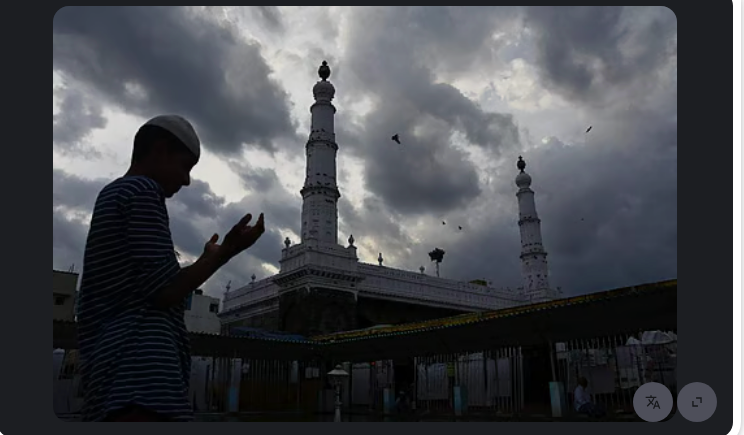
Friday holds special religious significance for Muslims, who gather for congregational prayers in the afternoon. The weekly holiday has traditionally allowed madrasa students and staff time to prepare for and attend these prayers.
The change follows the abolition of the Uttarakhand Madrasa Board and the introduction of a new regulatory framework placing minority educational institutions under the rules and academic standards prescribed by the state Education Department and the Uttarakhand Minority Education Authority. Critics have questioned whether the changes could undermine the autonomy of minority-run institutions.
Uttarakhand Congress spokesperson Dr Pratima Singh criticized the move, questioning the government’s priorities following the abolition of the Madrasa Board.


“Why does the BJP raise madrasas, mosques and shrines around elections instead of addressing the crumbling education system?” she asked.
Uttarakhand is not the first Indian state to change the weekly holiday observed by madrasas. In December 2016, the Assam government directed government-run and provincialised madrasas to remain open on Fridays and observe Sunday as the weekly holiday, ending a longstanding practice.
A similar proposal was discussed in Uttar Pradesh in December 2022, when the state Madrasa Education Board considered shifting the weekly holiday from Friday to Sunday. However, representatives of the madrasa teachers’ association opposed the proposal, citing the importance of Friday congregational prayers.
In Uttarakhand, the change comes months after the state dismantled its Madrasa Education Board, which had regulated 452 registered madrasas, and introduced a new framework for minority educational institutions.
The legislation, passed by the state Assembly in August 2025 amid opposition protests, extends the regulatory framework to institutions serving the Muslim, Sikh, Jain, Buddhist and Parsi communities.
The law has raised concerns among Muslim organizations over the autonomy of minority educational institutions. They fear the changes could affect constitutionally protected rights to establish and administer educational institutions and to practise religion.
Under the new framework, institutions must secure formal recognition and affiliation with a school board. The authority can inspect institutions and withdraw recognition if they fail to comply with prescribed conditions.