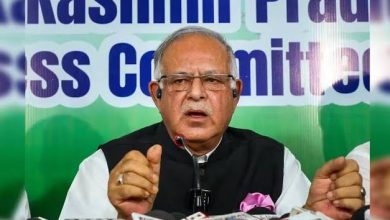
Doda MLA Mehraj Malik challenges narrative linking Article 370 to militancy in IIOJK
Says security threats persisted even after its abrogation, urges Omar Abdullah to press for statehood
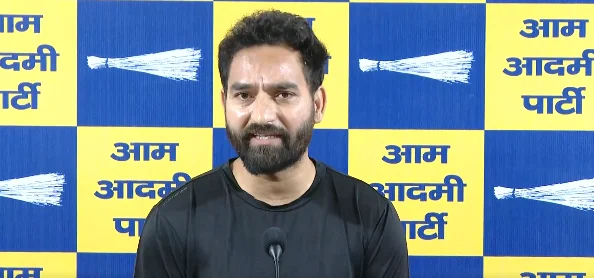
Jammu: In Indian illegally occupied Jammu and Kashmir (IIOJK), Member of Legislative Assembly from Doda Mehraj Malik has said that the abrogation of Articles 370 and 35A in August 2019 failed to end militancy or security threats in the territory, stressing that the constitutional provisions had served as safeguards for the rights and identity of its people.
Speaking to reporters in Jammu, Mehraj Malik, who is affiliated with the Aam Aadmi Party (AAP), said a narrative had been created across India that Article 370 was responsible for militancy, but security threats continued even after its abrogation.
He described the constitutional provision as a safeguard for the people of IIOJK and referred to similar special constitutional provisions under Article 371 in other parts of India. He urged people to assess the changes since 2019 and raise their concerns over their rights. He also stressed the need for an informed debate on Articles 370 and 35A and their role in protecting the rights and identity of the people.


Malik also called for panchayat and other local elections to be held without making them conditional on statehood restoration. His remarks came amid a political debate over local elections, with IIOJK Chief Minister Omar Abdullah drawing parallels between demands for holding the polls and the delay in restoring statehood to the territory by the Indian government.
Hitting out at Omar Abdullah, Malik said that the chief minister lacked the resolve to press effectively for statehood. He urged Omar Abdullah to use the mandate given by the people to demand statehood from New Delhi instead of making local body elections contingent on its restoration. He warned that delaying grassroots elections would adversely affect people’s participation in local governance.
Malik also criticized the National Conference-led government’s proposed Cabinet expansion, questioning the need of additional ministers when, he said, the government had failed to make significant improvements in education and healthcare.
He also said that bureaucratic hurdles were obstructing development work and preventing public money from reaching its intended beneficiaries. He maintained people had the right to question the government if they had not witnessed tangible improvements during its two years in office.