OHCHR exposes India’s brutal suppression of youth protest
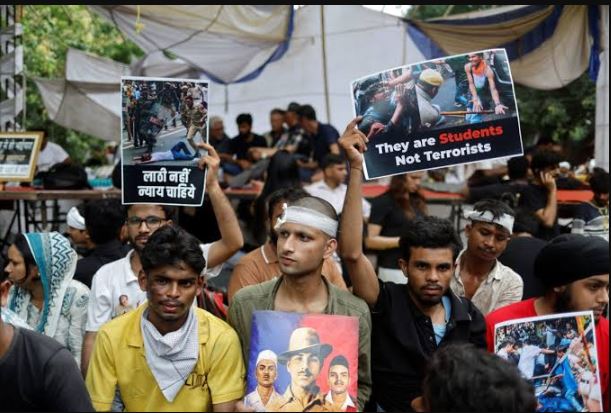
NewDelhi: The United Nations Office of the High Commissioner for Human Rights has exposed India’s authoritarian clampdown on youth protest, terming it a systematic punishment of peaceful dissent.
The UN rights body in its communications documented that following the Chief Justice’s contemptible comparison of unemployed youth to “cockroaches,” young Indians formed the Cockroach Janta movement in defiant response.
The statement, issued on October 20 and published on October 30, expressed alarm over India’s crackdown on peaceful youth protests. They cited excessive police force, arbitrary detentions, gender-based violence and restrictions on public gatherings. They urged India to investigate alleged violations and uphold the right to peaceful assembly.

When the NEET exam collapse in May 2026 — complete with alleged paper leaks — triggered mass student anguish and reports of up to 22 suicides, thousands of students, families and teachers organized peaceful protests demanding accountability and the education minister’s resignation.
Instead of dialogue, Indian authorities answered with batons, hair-dragging, sexualised manhandling of female students, anonymous plainclothes thugs, and the continued use of metal pellet guns already condemned by the Indian Supreme Court for causing permanent injuries. Officers hid their identities while surveillance apparatus tracked peaceful assemblies.
The communications further revealed that arbitrary detentions of activists and human rights defenders under terrorism charges followed, even after dispersal began.
The OHCHR Special Procedures Branch official communication (AL IND 12/2026), the UNHRC spokesperson’s October statement, and the joint press release by 16 independent experts all document the same pattern: disproportionate force, mass detentions in Delhi, blanket restrictions, digital surveillance abuse, and subsequent online hate campaigns, doxxing and threats — especially against women protesters.
Observers said India’s response to legitimate, youth-led demands for educational integrity has been repression, not reform, and that this is not crowd control but systematic punishment of peaceful dissent.