1947 Jammu massacre bloodiest chapter in Kashmir’s history: KMS Report
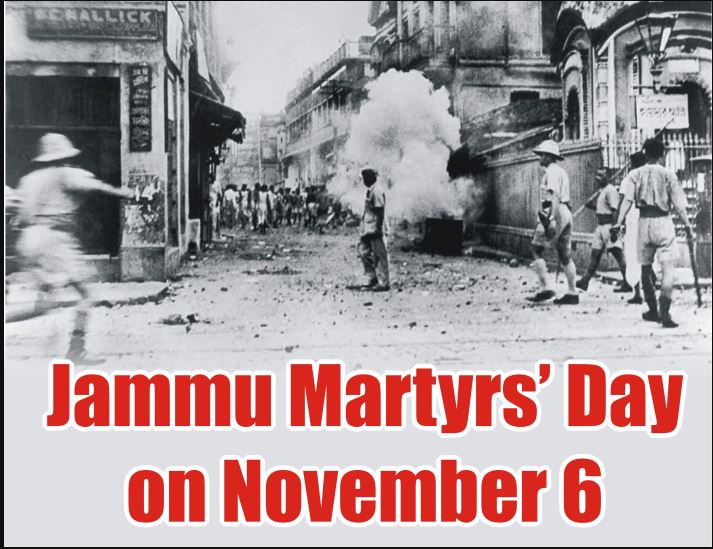
Islamabad: Tens of thousands of Muslims were massacred by Dogra forces, Indian troops and armed Hindutva groups in November 1947 while they were migrating from Jammu to Pakistan in the aftermath of the partition of the subcontinent.
Report released by Kashmir Media Service on the eve of the anniversary of the tragic incident said, the massacre remains one of the darkest and most tragic chapters in the history of Jammu and Kashmir.
Jammu Martyrs’ Day observed on Nov 6
The KMS report said that Kashmiris on both sides of the Line of Control (LoC) and across the world observe November 6 every year as Jammu Martyrs’ Day to commemorate the sacrifices of the Muslims of Jammu who were brutally killed during the 1947 massacre.
Horrific episode of mass violence
The report said the November 1947 massacre was among the most horrific episodes of mass violence in the history of the subcontinent. It added that the killings of Kashmiris, which began with the events of 1947, had continued in different forms over the decades, leaving an enduring legacy of suffering, displacement and political repression.
Aim was to change demography
Describing the Jammu massacre as the bloodiest chapter in Kashmir’s history, the report said that the scars of the gruesome killings remained deeply embedded in the collective memory of the Kashmiri people. It said the mass killings and forced displacement of Muslims were aimed at changing the demographic composition of Jammu and weakening the Muslim majority in the region.
Systematic campaign by Dogra, Hindutva Groups
The report maintained that the massacre was carried out through a systematic campaign involving Dogra soldiers, Indian troops and armed members of Hindutva organisations, including the RSS, Mahasabha and Jana Sangh. It said that thousands of Muslim families were subjected to killings, looting, arson and forced displacement during the first week of November 1947.
Stain on India’s secular claims
It further said that the brutalities committed against Jammu’s Muslims were part of a wider conspiracy to reduce the Muslim majority to a minority in the region. The report described the massacre as a permanent stain on the claims of secularism and democracy made by the Indian leadership.
Sacrifices written in golden letters
The report said the unparalleled sacrifices of Jammu’s Muslims had been written in golden letters in the history of Kashmir and would never be forgotten. It added that the tragedy was not merely a historical event but a reminder of the immense human cost of the unresolved Kashmir dispute and the continued denial of the Kashmiri people’s right to self-determination.
Chain of sacrifices continues in IIOJK
It maintained that the chain of sacrifices that began in 1947 had continued in Indian illegally occupied Jammu and Kashmir (IIOJK), where Kashmiris continued to face killings, arbitrary arrests, enforced disappearances, torture, political persecution and other human rights violations. The report said that, according to estimates cited by Kashmiri sources, more than 400,000 Kashmiris had been martyred over the decades in their struggle for the right to self-determination.
Hindutva agenda deepens suffering
The report warned that the policies of the BJP-led Indian government and its Hindutva-driven agenda had intensified concerns about the protection of the Muslim identity, political rights and demographic character of the occupied territory. It said that attempts to alter the region’s demographic composition, alongside military repression and restrictions on political activities, had further deepened the suffering of the Kashmiri people.
Determined to continue peaceful struggle
It added that the people of Jammu and Kashmir remained determined to resist oppression and continue their peaceful struggle for their internationally recognised right to self-determination, despite decades of repression and immense sacrifices. The report expressed confidence that the Kashmiri people would ultimately achieve freedom, dignity and political justice.
Appeal to UN, world community
The report urged the United Nations, international human rights organisations and the global community to take serious notice of the 1947 Jammu massacre and the continuing human rights situation in IIOJK. The report called for an impartial investigation into historical atrocities, accountability for human rights violations and effective measures to protect the fundamental rights of the Kashmiri people.
Plebiscite under UN resolutions
It stressed that the international community must fulfil its moral and legal responsibilities by ensuring that the people of Jammu and Kashmir are allowed to determine their political future through a free and impartial plebiscite in accordance with relevant United Nations resolutions.