322 hate crimes against Muslims, Christians in India in nine months
State actors directly involved in 119 cases: Reports
New Delhi: Muslims and Christians have faced at least 322 hate crimes across India during the first nine months of 2026, with state institutions directly involved or accused of failing to prevent violence in 119 cases, according to two reports released by the Association for Protection of Civil Rights (APCR).
The findings expose the worsening situation of religious minorities under the Bharatiya Janata Party (BJP) government, where Muslims and Christians continue to face hate-motivated violence, intimidation, discrimination and attacks, amid growing concerns over the alleged involvement and inaction of state institutions.
The APCR’s Hate Crime Tracker documented 322 incidents targeting Muslims and Christians between January 1 and September 30, 2026, across 24 Indian states and Union Territories.


A companion Hate Speech Tracker recorded 83 hate speeches delivered by 57 individuals in at least 16 states, including 33 speeches by people holding public office.
State actors involved in 37% cases
The reports revealed that state actors were involved in 119 hate-crime incidents, representing approximately 37 per cent of the total.
Of the 54 people killed in hate-related incidents, 21 died in incidents involving police or army personnel, including fake encounters and deaths in custody or prison.
Police personnel were reportedly involved in 81 of the 119 incidents involving state actors. Twelve people died in police or army encounters, while nine others lost their lives in custody or prison.
Among the victims were brothers Zeeshan and Gulfam, carpenters from Amroha, in BJP-ruled Uttar Pradesh, who were killed in separate fake encounters in Ghaziabad on March 1 and 3, shortly after being named as suspects in a stabbing case.
Another victim, 70-year-old Zaheer Shaikh, died in Ahmedabad, in BJP-ruled Gujarat, a day after being arrested by state police over allegations of cow slaughter.
The report further stated that no police officer or soldier had been charged in connection with any of the 21 deaths involving Indian forces personnel. An inquiry or first information report (FIR) was ordered in only four cases.
FIRs registered against victims
The APCR report exposed another disturbing trend in which victims of hate crimes themselves faced criminal proceedings.
Of the 108 incidents in which FIRs were registered, 40, or 37 per cent, involved cases against the victims rather than the alleged perpetrators. Uttar Pradesh accounted for 21 such cases.
In Gujarat’s Surat, a cattle-related raid involving police personnel and civilians resulted in the arrest of 22 Muslim men.
In another BJP-ruled Assam, three young Muslim men were reportedly jailed for creating a WhatsApp group to organise a protest, despite having sought police permission.
The report also highlighted demolitions and evictions affecting Muslim communities despite the Supreme Court’s 2024 guidelines. These included the demolition of a century-old mosque inside the Saharanpur Collectorate and the eviction of 73 Muslim families in Assam’s Goalpara district on just 24 hours’ notice.
Religious and political connections
The tracker found that 58 per cent of the recorded hate crimes occurred during three periods associated with religious festivals and political developments, including Ramzan, Holi and Ram Navami, the BJP-ruled West Bengal election results, Bakr Eid and the Kanwar Yatra.
Together, these periods accounted for 187 of the 322 incidents and 28 of the 54 deaths.
Meat and cattle-related issues were identified as the most common triggers, accounting for approximately one in four incidents and 11 deaths.
In West Bengal, APCR’s fact-finding exercise documented 34 incidents across eight districts during the four days following the announcement of election results.
Killers remain at large
The report found that in 20 of 30 fatal incidents involving mobs, vigilantes or individuals, some or all of the alleged perpetrators remained at large.
All main accused had been arrested in only 10 cases. In nine incidents, some suspects had been arrested while others remained free, whereas no arrests were reported in the remaining 11 cases.
The report also documented instances in which police delayed registering cases or initially proceeded against victims rather than their attackers.
One such case involved Azeem, a pickup driver who was reportedly beaten into a coma by participants in the Kanwar Yatra. He was himself charged with attempted murder before his alleged attackers were arrested.
The report also documented the killing of Saikun Khan, a 40-year-old farmer from Alwar, Rajasthan, who was attacked with a stone outside the Baroda Meo police station on September 24.
Public figures promoting hate
The APCR’s Hate Speech Tracker recorded 83 speeches, 33 of which were delivered by individuals holding public office.
Eleven speeches were attributed to chief ministers or a deputy chief minister. Those named in the report included Uttar Pradesh Chief Minister Yogi Adityanath, Assam Chief Minister Himanta Biswa Sarma, Uttarakhand Chief Minister Pushkar Singh Dhami, West Bengal’s Suvendu Adhikari and Uttar Pradesh Deputy Chief Minister Keshav Prasad Maurya.
The report also referred to speeches by Indian Prime Minister Narendra Modi in Kolkata on March 14, in which he made remarks about infiltrators changing West Bengal’s demographic composition. Indian Home Minister Amit Shah’s statements on Muslims, calling them infiltrators, are also concerning.
Of the 83 speeches, 37 reportedly contained calls for violence or urged Hindus to arm themselves. The report found that police registered only five FIRs in connection with speeches attributed to a group of 12 individuals, none of whom was arrested.
Only six of the 83 speeches resulted in FIRs, while the reported arrests were limited to three members of the Hindu Raksha Dal over anti-Islam graffiti.
Calls for anti-Muslim violence
The report also examined the situation in Uttam Nagar, west Delhi, following the death of a 26-year-old man, Tarun, during a neighbourhood dispute on March 4, the day of Holi.
While police arrested members of the family accused in the case, including two minors, the incident was subsequently followed by inflammatory speeches and demonstrations targeting Muslim residents.
APCR analysed 110 video clips related to the neighbourhood and found that 60 contained demands for Muslims to be killed, shot or subjected to police encounters. Another 23 called for the demolition of Muslim homes or mosques.
One speaker reportedly demanded the adoption of the so-called Uttar Pradesh encounter model, while another threatened that Eid celebrations would not be allowed to take place.
The report described this development as an alarming escalation in hate speech, with crowds openly demanding that state authorities resort to extrajudicial violence against Muslims.
Of the 110 clips examined, 79 were shared on Instagram.
The Delhi High Court intervened on March 19, directing police to ensure a peaceful and dignified Eid. Police informed the court that approximately 800 personnel had been deployed, and Eid prayers on March 21 passed without violence. However, APCR said it could not find any FIR registered over the inflammatory speeches in Uttam Nagar.
Hate a political instrument
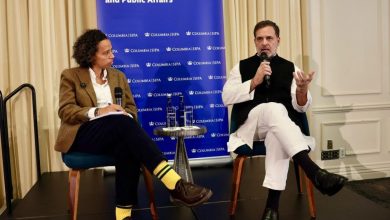
Speaking at the launch of the reports, Advocate Fawaz Shaheen said hate crimes had evolved from planned and structural violence into a regular method of conducting politics.
APCR researcher Sayed Aqsa said state institutions contributed to the spread of hate and violence by refusing to register FIRs or remaining inactive during attacks.
Journalist Nidheesh Tyagi questioned whether the state was complicit or incompetent, while political activist John Dayal emphasised that hate speech was not ordinary political discourse but a factor that could incite violence.
The reports called for accountability, effective enforcement of Supreme Court directives and protection for individuals documenting violations against religious minorities.
The findings have once again raised serious concerns about the safety, rights and religious freedoms of Muslims and Christians in India under BJP rule, amid growing majoritarian hostility, discriminatory practices and inadequate action against those responsible for attacks on minority communities.