IIOJK: CPI-M, ruling NC voice concern over prolonged restrictions in Kulgam
Say entire populations should not suffer for an incident in which they had no role
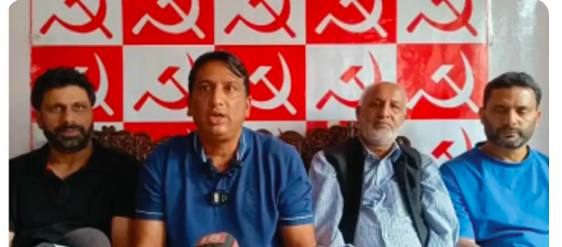 Srinagar: In Indian illegally occupied Jammu and Kashmir (IIOJK), the Communist Party of India-Marxist (CPI-M) and the ruling National Conference have expressed concern over prolonged restrictions imposed on several villages of Kulgam district, saying holding of entire populations under restrictions for days is unjustified and causes unnecessary hardship to ordinary civilians.
According to Kashmir Media Service, restrictions have been tightened and cordon and search operations intensified across south Kashmir particularly in several areas of Kulgam district, following a November 11 attack on a Central Reserve Police Force (CRPF) checkpoint at Akhran, Mir Bazar, in which three personnel were injured.
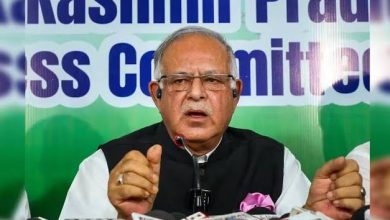
CPI-M leader and Kulgam MLA Mohammad Yousuf Tarigami said Indian forces had imposed stringent restrictions in several villages following the attack, confining residents to their homes for prolonged periods.
“Security forces could take action against those involved in the attack. However, subjecting ordinary civilians to prolonged restrictions and hardship is neither fair nor acceptable,” Tarigami said.

He added that the innocent population should not be made to bear the brunt of an incident in which they had no involvement.
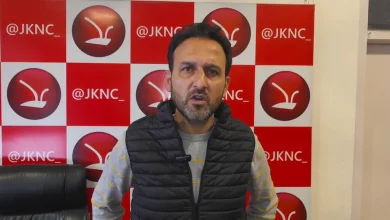
Expressing concern over the situation, NC spokesperson Imran Nabi Dar said that although Indian forces’ personnel and agencies had every right to conduct searches and checks, keeping entire villages under prolonged restrictions were causing unnecessary hardship to residents.
“Situation in Kulgam is concerning following Akhran attack. While security agencies have every right to conduct checks, keeping entire villages, including the elderly, under prolonged restrictions for days is avoidable and causes unnecessary hardship,” he said in a post on X.
He also highlighted concerns over the impact of prolonged security restrictions on civilian life, particularly the movement and daily activities of residents in affected villages.
The NC called for balancing security requirements with the need to minimise hardships for ordinary residents.