Indian SC grants bail to jailed APHC leader Nayeem Khan
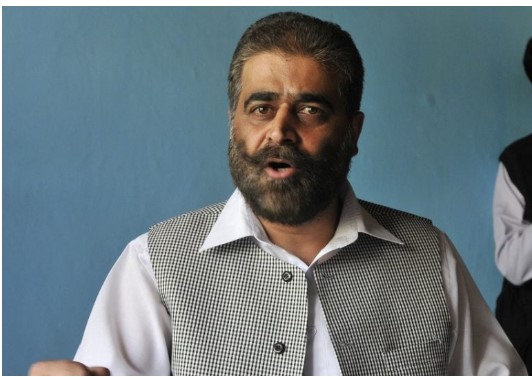 New Delhi: The Indian Supreme Court has granted bail to All Parties Hurriyat Conference (APHC) senior leader Nayeem Ahmad Khan in a so-called funding case investigated by India’s National Investigation Agency (NIA).
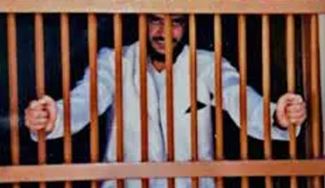
The Indian Supreme Court on Monday granted bail to the jailed leader, who has been detained in New Delhi’s Tihar Jail, his lawyer said.
Nayeem Khan has spent more than nine years in judicial custody in the case.
Advocate Tara Narulla, representing Nayeem Ahmad Khan, told media persons in Srinagar over the phone from New Delhi that bail had been granted in open court, while the written order was awaited.

“The bail has been granted. The order is still awaited. The conditions, including sureties, are not yet known and would most likely be to the satisfaction of the trial court,” Narulla said.
Nayeem Khan to be released subject to court conditions
He said that Nayeem Khan would be released subject to the conditions imposed by the court, provided he was not required in any other case.
Nayeem Khan’s brother, Muneer Ahmad, also confirmed the development to the media.
Nayeem Ahmad Khan had approached the Indian Supreme Court challenging the Delhi High Court’s April 9, 2025, order denying him bail. The high court had rejected his plea, while a special NIA court had dismissed his bail application in December 2022.
NIA arrested Nayeem Khan on July 24, 2017
The NIA arrested Nayeem Khan on July 24, 2017, and he has remained in judicial custody since August 14, 2017.
The case was registered under provisions of the draconian Indian Penal Code and the Unlawful Activities (Prevention) Act (UAPA), widely criticised for its stringent provisions.
The NIA has lodged cases on Hurriyat leadership that APHC leaders were involved in activities related to demanding Azaadi and leading protests in the Kashmir valley.
Since 2019, the Indian BJP government has detained and imprisoned APHC leadership, Hurriyat leaders and political activists in jails of India and IIOJK, as an attempt to silence the Kashmiri people’s political voice and suppress their legitimate demand for the right to self-determination.