IIOJK: MMU calls Indian SC’s interim relief on Waqf Amendment Act insufficient
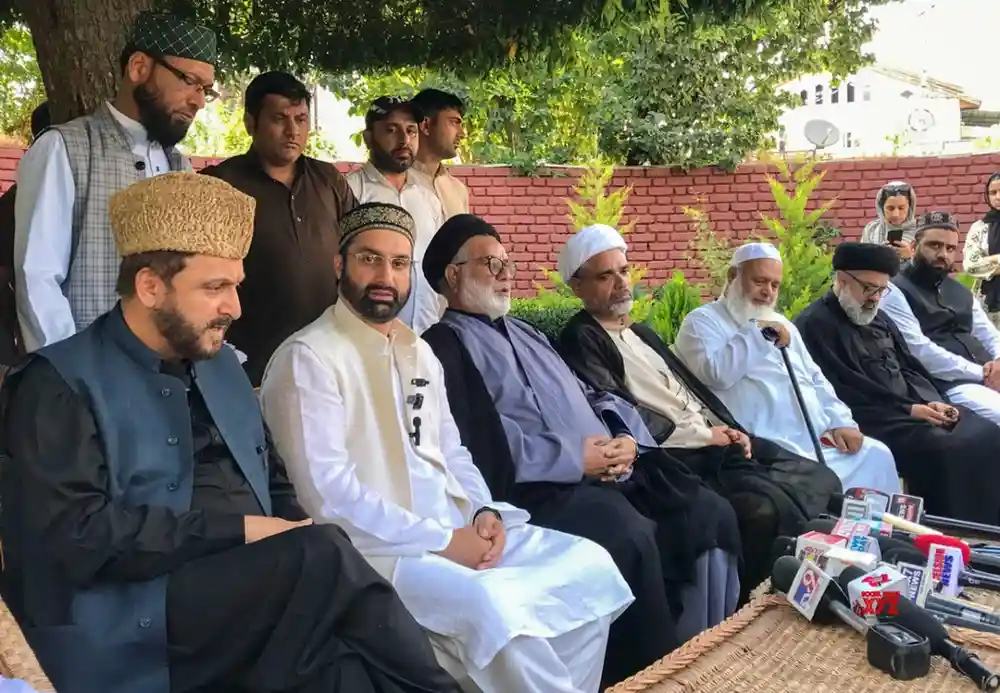 Srinagar: The Mutahida Majlis-e-Ulema (MMU), a collective platform of political, social, and religious organizations in Indian illegally occupied Jammu and Kashmir (IIOJK), has termed the Indian Supreme Court’s interim order on the Waqf (Amendment) Act as insufficient, stating that although some provisions have been stayed, the broader constitutional and religious concerns remain unaddressed, leaving the community anxious and unsettled.
According to Kashmir Media Service, the MMU, in a statement issued in Srinagar, emphasized that Waqf is not merely an issue of property but a religious trust and a means of serving humanity in the path of Allah. Weakening Muslim control over these sacred endowments or undermining their historical significance is unacceptable to the community. The statement further stressed that such actions violate the constitutional principles that guarantee every religious group the right to manage its own religious affairs.
While acknowledging the Indian top court’s interim relief as a positive step, the MMU criticized it as inadequate, saying that it does not address the core issues. The provisions of the law, particularly the long-standing accepted principles for the use of Waqf properties, still raise serious concerns. The proposed requirement for written documentation of Waqf properties disregards historical facts, where many documents have either been lost or never existed, risking the loss of recognized rights over these properties.
Additionally, transferring the survey powers from independent commissioners to district collectors undermines neutrality and increases state interference. The MMU views the amendment as a deliberate attempt to weaken and seize Waqf properties, potentially providing legal cover for illegal occupiers, thus harming genuine religious and social institutions.


These measures, the MMU stated, are discriminatory, as no such interference is made in the affairs of other religious communities. The MMU called on the Supreme Court to expedite a final hearing on the matter to ensure the protection of Muslims’ constitutional and religious rights. In its current form, the law is concerning, and the original Waqf Act should be reinstated. The Indian government, the MMU said, should focus on safeguarding the sanctity of Waqf and take practical measures to protect, preserve, and promote these sacred endowments for the welfare of future generations.