India’s 50% Russian oil cut under US pressure betrays strategic hypocrisy, surrender
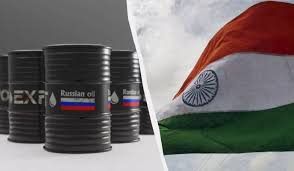
New Delhi: India’s much-touted “independent foreign policy” has once again been exposed as hollow rhetoric, as New Delhi has finally succumbed to U.S. pressure and halved its oil imports from Russia — a move that underscores its diplomatic weakness and growing dependence on Washington.
According to Kashmir Media Service, after months of resisting American demands and denying any agreement with former U.S. President Donald Trump regarding a reduction in Russian oil imports, India has now quietly reduced its Russian crude purchases by 50 percent. The sudden reversal, carried out under Washington’s insistence, highlights India’s lack of strategic foresight and its habitual inconsistency on key global issues.
Observers note that India’s delayed capitulation represents a serious diplomatic embarrassment. “This was a pressure New Delhi should have anticipated — or accepted much earlier — rather than risking international ridicule through empty defiance,” analysts remarked, adding that the move reveals India’s failure to balance its proclaimed neutrality with real-world strategic constraints.

Meanwhile, India’s recent diplomatic engagement with the Taliban — a group it once condemned as a terrorist organization — has drawn sharp criticism. The development reflects New Delhi’s desperation to carve out influence in Afghanistan after its failed attempts to counter Pakistan and China’s regional presence. “From refusing to cut oil imports from Russia to now quietly engaging the Taliban, India’s contradictions are glaring,” one observer said.
Sources indicate that Indian refiners have yet to receive formal instructions on the scale of oil import cuts, suggesting that the Modi regime is attempting to conceal the decision from domestic scrutiny while appeasing Washington behind closed doors.
Analysts say the duality of India’s actions — bending to U.S. pressure while seeking cooperation with the Taliban — exposes not strategic genius but moral and diplomatic bankruptcy. It shows how the Modi government’s foreign policy now hinges on reaction, not vision, as it oscillates between great power obedience and regional opportunism.