650 flights cancelled as chaos at IndiGo stretches into Day 7
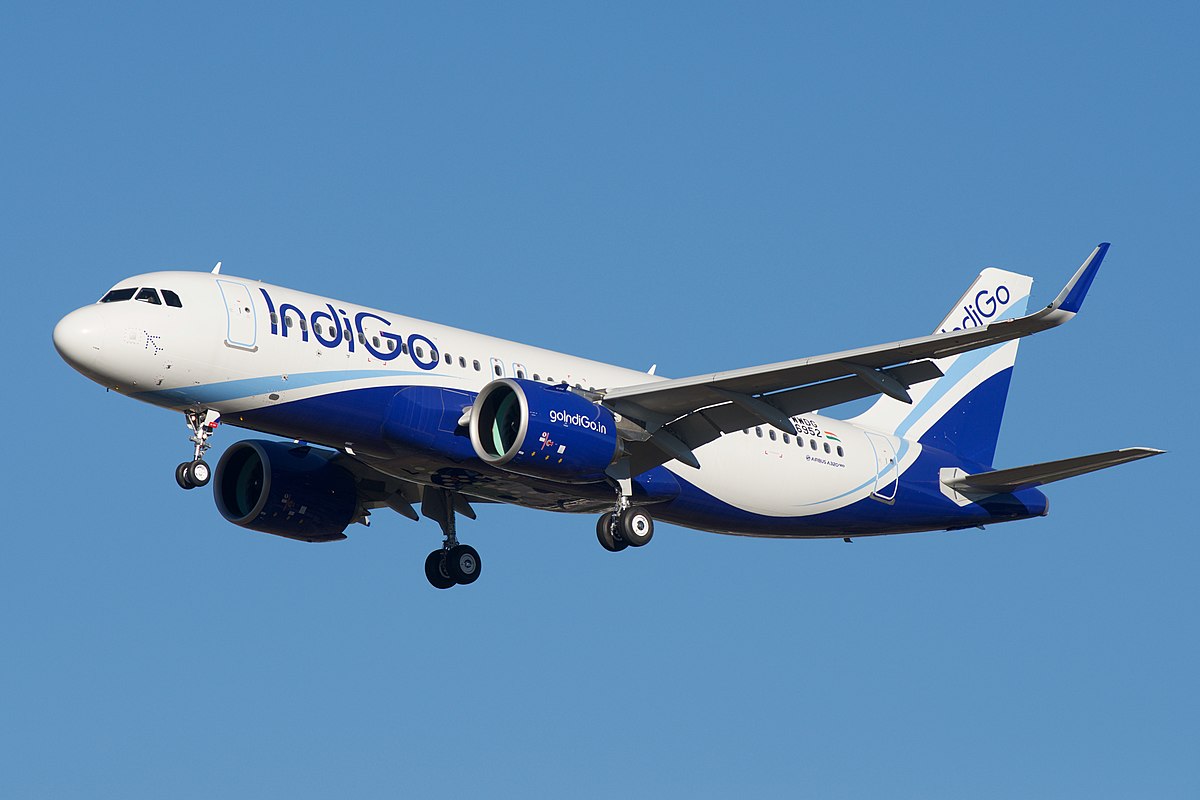
New Delhi: Chaos at India’s largest private airline, IndiGo, continued for the seventh consecutive day on Monday as over 650 flights were already cancelled on Sunday despite government claims that operations were stabilising.
According to Kashmir Media Service, passengers at major airports, including Delhi, Mumbai, Hyderabad, Bengaluru and Chennai, faced severe disruptions, long delays and missing baggage as the airline struggled to restore regular schedules.
India’s Civil Aviation Ministry said it had held multiple emergency meetings with operators, airport directors and ground-handling agencies to minimise passenger inconvenience. It added that essential facilities for stranded travellers, including senior citizens and differently-abled passengers, had been ensured.


IndiGo reported partial improvement, claiming it had operated 1,650 flights, up from 1,500 a day earlier, and that its on-time performance had risen to 75 percent, though thousands of travellers remained affected.
To curb overcharging amid widespread cancellations, the government imposed a cap on airfares and directed the airline to clear refunds within 48 hours.
The Directorate General of Civil Aviation (DGCA) issued show-cause notices to IndiGo’s CEO and accountable manager, citing major lapses in planning and oversight that triggered the crisis. The ministry warned that accountability would be fixed once the probe is completed.
Meanwhile, an unverified letter circulating online—purportedly written by an IndiGo employee—accuses the airline’s top leadership, including CEO Pieter Elbers, of intimidation, mismanagement and unsafe rostering practices.
Among the underlying reasons behind the ongoing IndiGo flight crisis, according to experts, some stem from operational mismanagement compounded by regulatory and staffing challenges. The airline’s abrupt changes to flight duty time limitations (FDTL) for pilots, combined with fatigue management concerns, led to widespread crew shortages and rostering conflicts. Poor planning and inadequate contingency measures magnified the impact when routine disruptions occurred, leaving thousands of flights delayed or cancelled. Additionally, a lack of coordination between IndiGo’s management, ground staff, and airport authorities created systemic inefficiencies, while the airline’s top leadership reportedly failed to respond promptly to escalating operational bottlenecks. This combination of fatigue-driven workforce issues, planning lapses, and leadership gaps triggered one of the largest domestic air travel disruptions in India.