BJP regime seizes 58 Jamaat-e-Islami-linked schools in IIOJK

Srinagar: In Indian illegally occupied Jammu and Kashmir (IIOJK), the BJP-led administration has ordered the takeover of at least 58 schools linked to Jamaat-e-Islami and its Falah-e-Aam Trust, in a move that has sparked concerns over the future of education in the territory.
According to Kashmir Media Service, the IIOJK administration under the New Delhi-installed Lieutenant Governor Manoj Sinha today directed the takeover of management committees of these 58 schools, citing so-called adverse intelligence reports and the expiry of the schools’ management validity.
The IIOJK School Education Department invoked notifications issued by India’s Ministry of Home Affairs, which had declared Jamaat-e-Islami an unlawful association under the draconian Unlawful Activities (Prevention) Act (UAPA).
Officials said that these 58 functional schools were found to be directly or indirectly affiliated with the Jamaat-e-Islami or its trust. Deputy Commissioners have been instructed to assume control of the institutions.
Notably, the BJP-led Indian government banned IIOJK Jamaat-e-Islami, a prominent socio-political organization, in February 2019. Since then, Indian authorities have conducted raids, arrested several leaders, including the organization’s chief Dr Hameed Fayaz and spokesperson Advocate Zahid, and seized multiple properties belonging to the group.
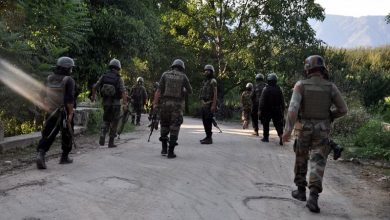
The crackdown, led by India’s dreaded National Investigation Agency (NIA) and police under the Indian Home Ministry, has continued in an effort to dismantle the organization’s social and political network in occupied Jammu and Kashmir.
It is pertinent to mention that schools and institutions run by the Falah-e-Aam Trust have for decades played a significant role in education, social development and moral training in Kashmiri society.
Kashmir watchers and civil society voices have described the takeover of these educational institutions as an attack on the educational, religious and cultural identity of the Kashmiri people, arguing that it reflects a broader attempt to control and reshape the territory’s intellectual and social landscape.