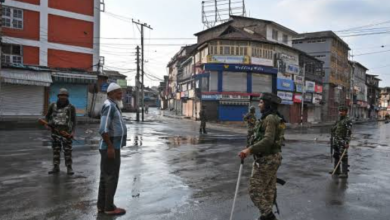
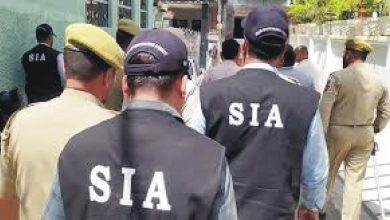
Twelve years of Modi rule marked by economic distress, inequality and democratic decline
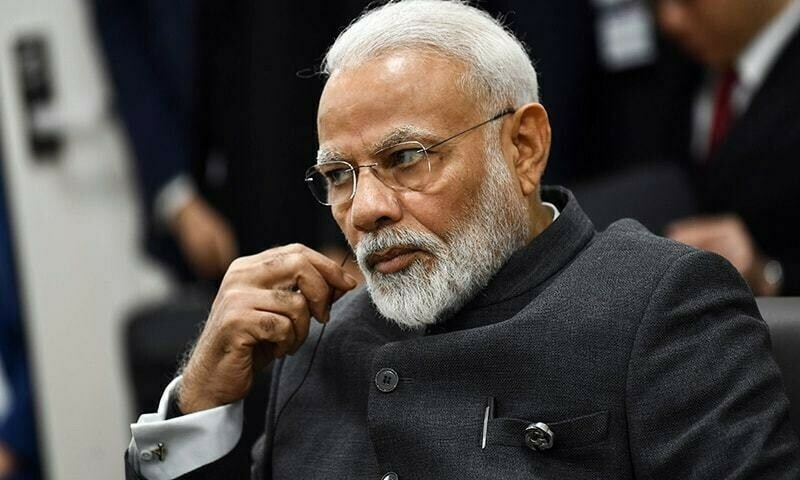
Srinagar: As Indian Prime Minister Narendra Modi marked 12 years in office by claiming that public service defines good governance, critics and observers say the period has been marked by rising unemployment, deepening inequality, growing poverty and erosion of democratic values across India.
According to Kashmir Media Service, unemployment remains a major challenge, with millions of youth facing joblessness, underemployment and economic uncertainty. Farmers continue to suffer from mounting debt and distress, while thousands of farmer suicides have been reported in recent years.
Observers say the gap between the rich and poor has widened dramatically, with wealth increasingly concentrated in the hands of a small elite. They maintain that crony capitalism, corruption and policies favouring powerful corporate groups have further aggravated economic disparities.

They also point to declining press freedom, rising concerns over democratic institutions and increasing reports of discrimination against minorities under the BJP-led government. Human rights advocates have repeatedly expressed concern over hate campaigns, bulldozer politics and shrinking civic space.
Environmental degradation has emerged as another major challenge, with India remaining among the world’s most polluted countries. Air pollution, water shortages and climate-related disasters continue to affect millions of people.
Analysts say that despite official claims of development and progress, the realities of unemployment, poverty, inequality, corruption and democratic backsliding paint a different picture of India after twelve years of Modi’s rule.