UN Special Rapporteurs seek Delhi’s response over electoral roll revision
Exercise disproportionately affecting Muslims & other minorities, India told
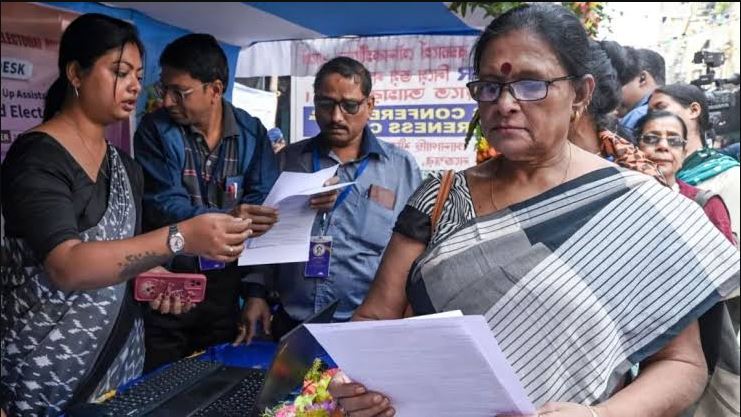
New Delhi: Three United Nations Special Rapporteurs have written to the Government of India expressing concern over the Election Commission of India’s (ECI) Special Intensive Revision (SIR) of electoral rolls, stating that the exercise may have disproportionately affected Muslims, people of Bengali origin, and other minority communities.
According to Kashmir Media Service, the communication, dated May 1, 2026, was sent by the UN Special Rapporteur on minority issues, the Special Rapporteur on the promotion and protection of the right to freedom of opinion and expression, and the Special Rapporteur on freedom of religion or belief.
Under UN procedures, the government was given 60 days to respond before the communication was made public. The UN experts said they were concerned about what they described as the “large-scale removal of millions of names from electoral rolls through an SIR process led by the ECI, particularly affecting members of minority groups”.
The communication highlighted allegations that the voter revision process relied on opaque AI-assisted systems, provided insufficient time for voters to submit documents, lacked effective appeal mechanisms, and used minor discrepancies, such as spelling differences, as grounds for deleting names from electoral rolls.
The experts said they were particularly concerned by reports that eligible voters may have been wrongfully excluded from participating in elections. The letter referred to reports from West Bengal, where it claimed Muslim voters were disproportionately affected.
It cited allegations that in Nandigram constituency, around 95 per cent of deleted voters were Muslims, despite Muslims constituting only about 25 per cent of the electorate.
The communication also referred to concerns raised during the SIR exercise in Bihar, where reports suggested the process could lead to large-scale disenfranchisement of Muslims and other minorities. It further noted allegations that an AI-driven system was used to identify irregularities in voter data, raising concerns about transparency, errors, and potential bias. KMS-7K